

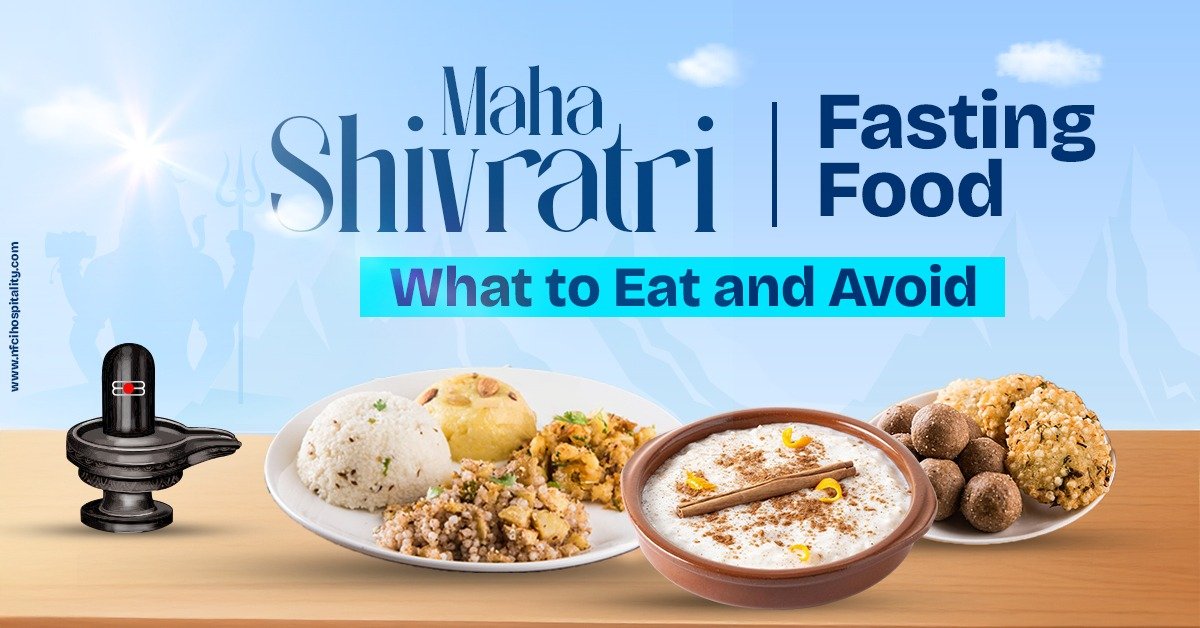
Maha Shivratri Fasting Food: What to Eat and Avoid
“न शिव से बड़ा कोई सत्य है, न शिव से बड़ा कोई विश्वास”
“एक रात, एक उपवास, और अनगिनत प्रार्थनाएँ—यही है महाशिवरात्रि।”
Maha Shivratri 2026 is a meaningful and holy Hindu festival celebrated in India. The day is dedicated to Lord Shiva which marks his divine marriage to Goddess Parvati. According to Hindu beliefs, on this night, Lord Shiva remarried Maa Shakti, his celestial spouse, once again.
Maha Shivratri fasting is a way to purify the body and mind. If you are also observing a fast this Shivratri, it is important to choose the right fasting foods to maintain energy while staying true to vrat (fasting) rules.

Difference Between Shivratri and Maha Shivratri
There is a big difference between Shivratri and Maha Shivratri.
Shivratri – Known as “Masik Shivratri”
This special day comes every month. Devotees worship Lord Shiva and his wife, Goddess Parvati. This day falls on the 14th day of every month.
Maha Shivratri
Maha Shivratri occurs once a year. This special Shivratri celebrated in the month of Falgun on the 14th day of Krishna Paksha, which usually falls in February or March.
Importance of Food During Maha Shivratri Fasting
There are two types of vrat (fasting):
- Nirjala Vrat: No intake of food or water for 24 hours.
- Phalahara Vrat: Fruits, milk, water, and specific non-grain foods.
Fasting Foods for Maha Shivratri 2026
1. Fruits and Dry fruits
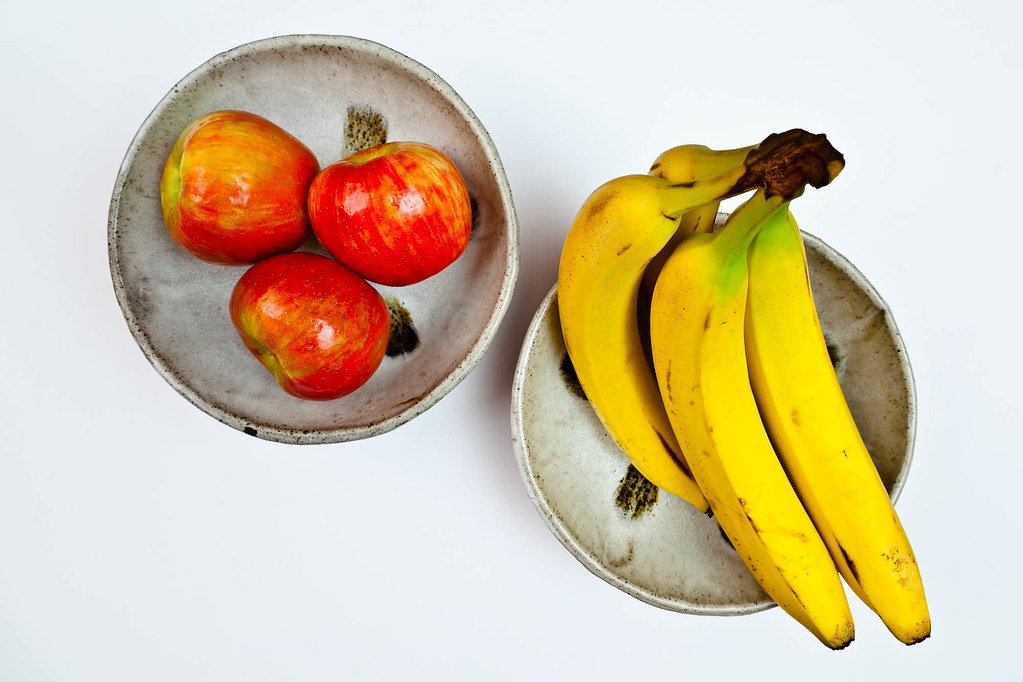
- Fresh fruits: banana, apple, papaya, pomegranate, and watermelon.
- Dry fruits: almonds, walnuts, raisins, and dates.
2. Dairy Products
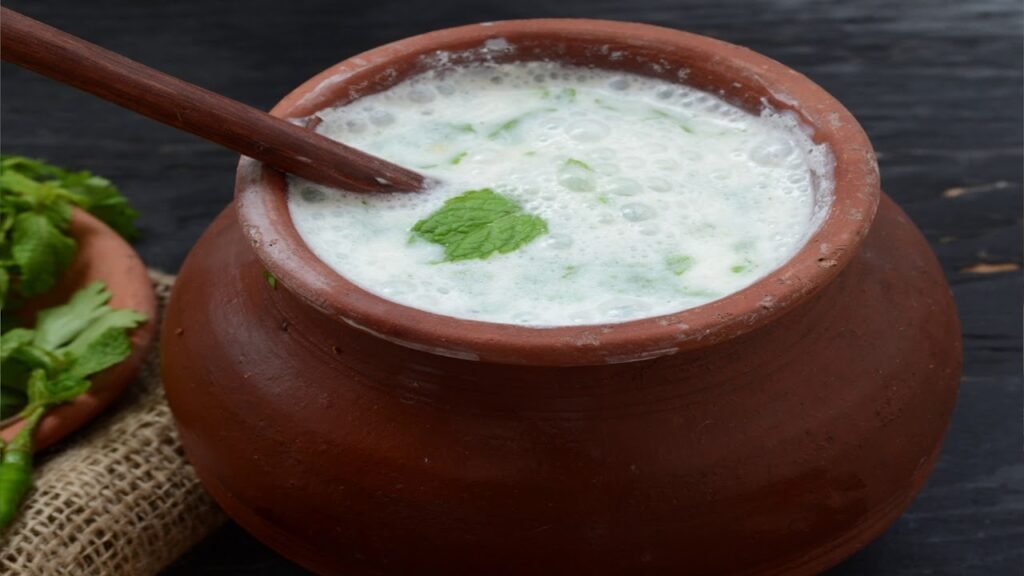
- Milk, curd (plain), paneer, and buttermilk (chaas)
- Keep the body nourished while staying sattvic during Maha Shivratri fasting.
3. Vrat-Friendly Flours
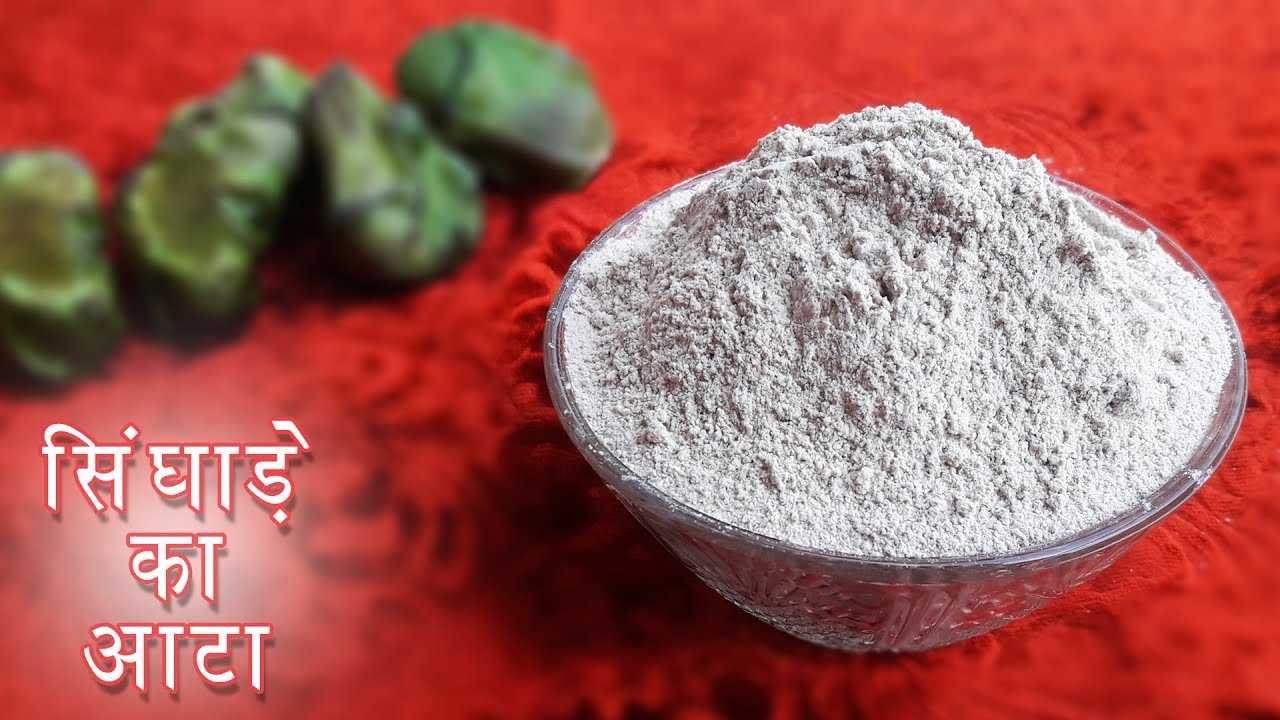
- Singhara atta, kuttu atta, and rajgira atta.
- Used to make rotis, poories, pancakes and snacks during Maha Shivratri fasting.
4. Sabudana (Tapioca Pearls)
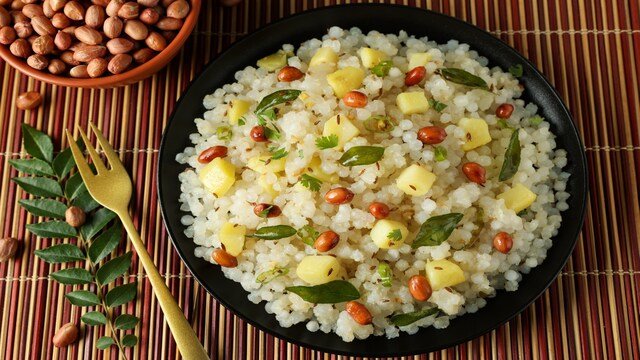
- Sabudana khichdi and sabudana vada.
- Popular choice for fasting
5. Nuts and Seeds

- Peanuts, cashews, and makhana
- Excellent choice during fasting
6. Vegetables Allowed during Vrat
- Potato, sweet potato, arbi (colocasia), and pumpkin.
- Note: They are cooked with minimal spices and rock salt (sendha namak).
Foods to Avoid During Maha Shivratri Fasting
Certain foods are considered tamasic and are strictly avoided when observing Maha Shivratri fasting:
- Grains and pulses like rice, wheat, maida, lentils and legumes.
- Onion and garlic (they disturb mental calmness).
- Avoid common salt. Only sendha namak (rock salt) is allowed to add in recipes.
- Processed foods like chips, bakery items, refined sugar sweets, and packaged snacks.
Healthy Maha Shivratri Fasting Tips
- Stay hydrated.
- Avoid overeating after breaking the fast.
- Choose boiled, roasted, or lightly cooked foods.
- People with medical conditions should consult a doctor before fasting.
Balanced Shivratri fasting foods ensure devotion without compromising health.
Maha Shivratri 2026: Date, Timings, and Puja Muhurat
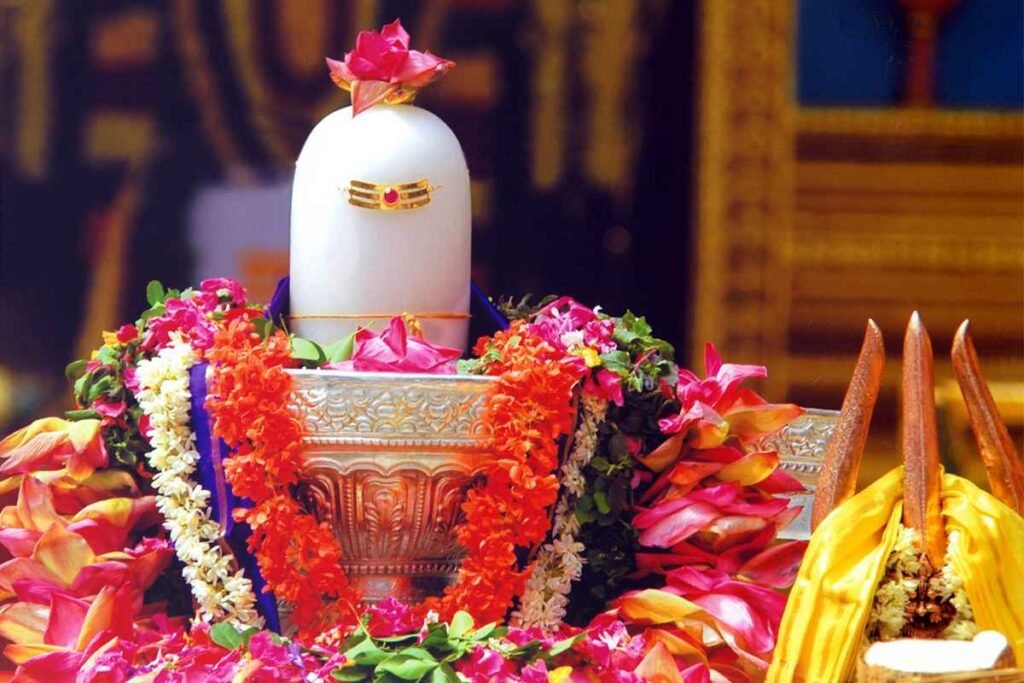
Date of Maha Shivratri 2026
- Maha Shivratri Date: Sunday, 15 February 2026
- Vrat & Night Puja: Begins on the evening of 15 February and continues through the night.
- Fast Breaking (Parana): Early morning of 16 February 2026 (after sunrise).
Important Tithi Timings
- Chaturdashi Tithi Begins: 05:04 PM on 15 February 2026
- Chaturdashi Tithi Ends: 05:34 PM on 16 February 2026
These timings are based on the lunar calendar (Panchang), and Maha Shivratri is observed when the Chaturdashi tithi overlaps most of the night.
Puja and Worship Timings for Maha Shivratri
Hindus divide the night of Shivratri into four Prahars to perform rituals, recite prayers, and chant Shiva mantras. These timings help plan puja and jagran accurately:
|
Prahar / Puja Time |
Date & Time (IST) |
|
First Prahar Puja |
6:11 PM – 9:23 PM (15 Feb) |
|
Second Prahar Puja |
9:23 PM – 12:36 AM (15–16 Feb) |
|
Third Prahar Puja |
12:36 AM – 3:47 AM (16 Feb) |
|
Fourth Prahar Puja |
3:47 AM – 6:59 AM (16 Feb) |
These four prayer segments are traditionally used for Abhishekam, mantra chanting, offering Bilva leaves, and devotional recitation throughout the night.
Nishita Kaal: Most Auspicious Puja Time
The Nishita Kaal (midnight hour) is considered the most sacred time to perform Maha Shivratri puja.
Nishita Kaal Puja Time: 11:55 PM – 12:56 AM (Night of 15–16 February 2026)
Breaking the Fast (Parana)
After completing the night-long puja and prayers, devotees break their fast the next morning on 16 February 2026.
Parana (Fast Ending) Time: 06:42 AM – 3:10 PM (16 February 2026)
Conclusion
This guide has covered the importance of Maha Shivratri fasting, why people observe fasts, and the dos and don’ts to follow during Maha Shivratri fasting.
Maha Shivratri 2026 is coming, and if you are searching for special Maha Shivratri fasting food ideas, explore our YouTube channel for easy, delicious, and vrat-friendly recipes that you can prepare at home. Our step-by-step videos make festive cooking simple and enjoyable.
Take Your Culinary Skills to the Next Level with NFCI!
Turn your cooking passion into a high-paying profession. Enroll in NFCI’s cooking courses and gain hands-on training in traditional Indian cuisine, festive menus, and professional kitchen skills.
NFCI (National Finishing and Cookery Institute) is a top hotel management and culinary institute in India that provides skill-based courses for students who want to upgrade their cooking skills and lead the hotel management industry.
Become career-ready from day one. Learn from experienced chefs of NFCI, gain industry-relevant exposure, and get 100% placement support.
- Visit our website: nfcihospitality.com to explore our programs.
- Contact us at: 98880-11222 to book your free counselling session and get career guidance.

You may also like

Delicious Vegetable Salad Ideas For Everyday Meals

7 Hidden Dangers of Beetroot: What You Need to Stop!