

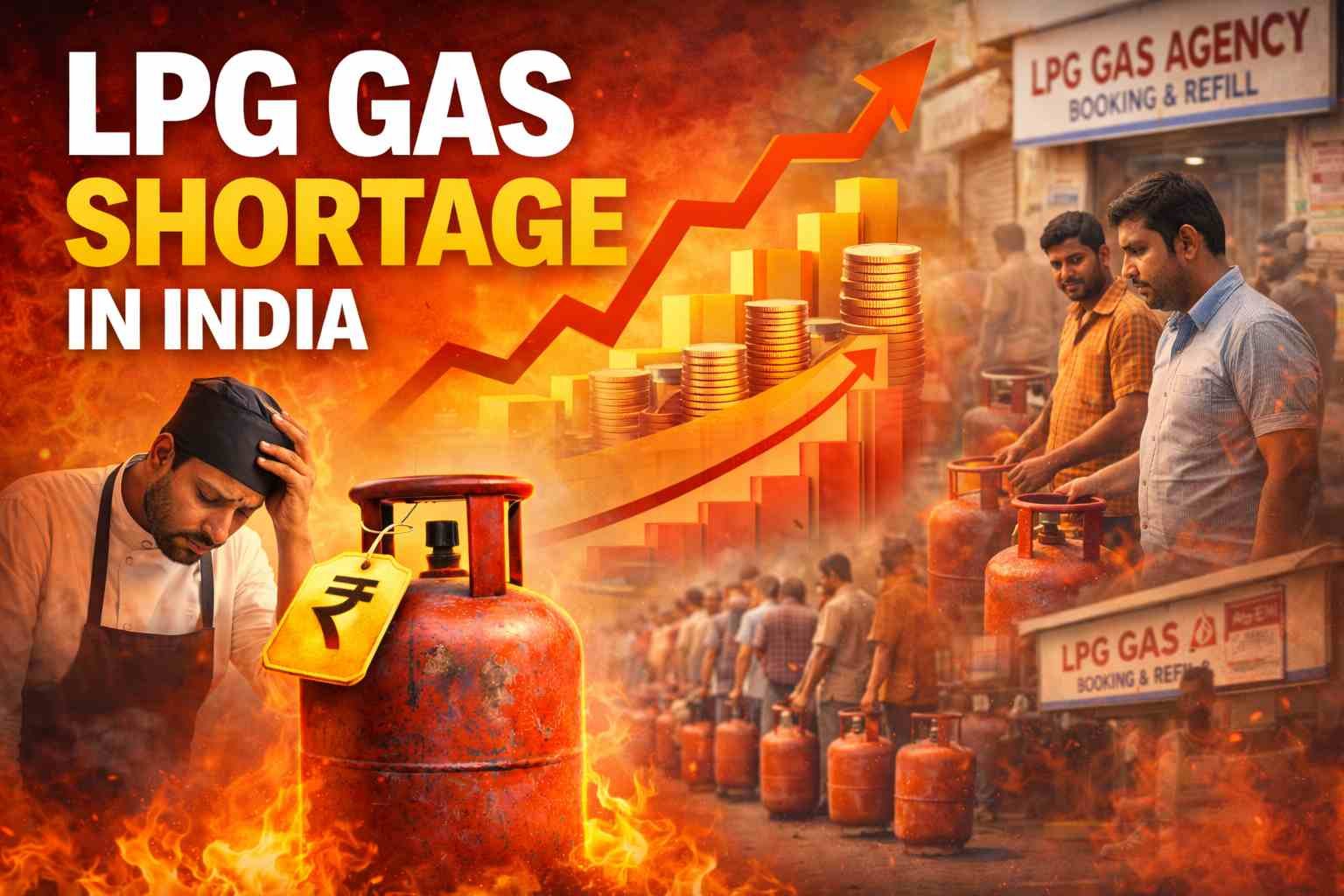
LPG Gas Shortage in India: Causes, LPG Gas Price Concerns & How to Save LPG Gas
You must have heard about the ongoing concerns regarding the LPG gas shortage in India.
Disturbances in restaurants, long queues at gas agencies, and rising LPG gas prices have been drawing nationwide attention in recent days. Millions of Indians depend on LPG gas cylinders for cooking meals at home. Disruptions in the supply of gas can directly affect their everyday lives.
This blog covers what exactly is happening in this case, why the shortage occurred, how it is influencing people and businesses, and how households can save LPG gas efficiently.
What Is Happening: LPG Gas Shortage in India
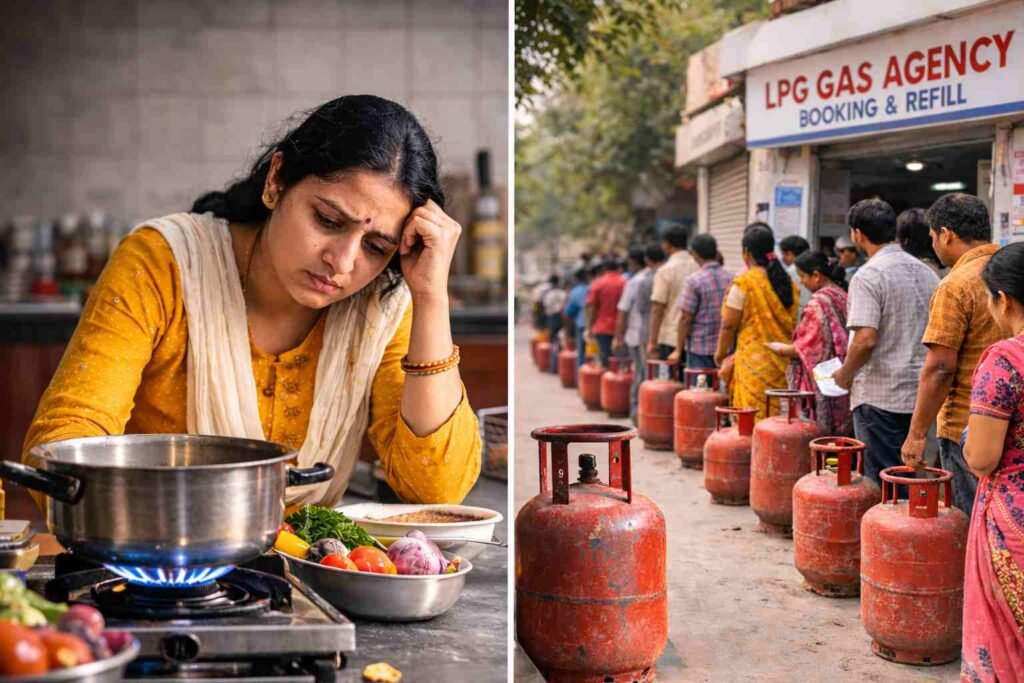
As per the recent news, India is currently facing a shortage of commercial LPG gas cylinders in multiple cities such as:
- Mumbai
- Bengaluru
- Chennai
- Kolkata
As hotels and restaurants are dependent on cooking gas, they are struggling to provide normal food service to customers.
Due to this, many food businesses are temporarily shutting down or reducing operations because of the unavailability of LPG cylinders. Some eateries have even removed food items like roti, dosa, and poori from their menus due to the shortage of LPG gas.
In some cities, black-market selling of LPG cylinders has also been reported, where a commercial cylinder is being sold for ₹3000–₹4000. This price is much higher than the official price.
Railway kitchens have started using traditional cooking methods to manage food preparation during this situation.
Why Is There an LPG Gas Shortage?
1. Global Conflict Affecting Gas Supply
The biggest reason behind the LPG gas shortage in India is the ongoing conflict in West Asia involving Iran, Israel, and the United States. Due to attacks and security risks, many ships have stopped shipping through the Strait of Hormuz. The Strait of Hormuz handles a significant portion of global oil and gas transport. This results in slowing fuel shipments worldwide. Since India imports a large portion of its LPG through this route, the disruption has directly impacted supply.
2. India’s Heavy Dependence on LPG Imports
As mentioned in the above paragraph, India imports a large share of its LPG requirement from the Middle East. According to reports, around 62% of India’s LPG imports pass through the Strait of Hormuz. When shipping routes are disturbed or production slows down in the Gulf region, the supply of LPG gas cylinders in India can be affected quickly.
3. Rapid Growth in LPG Consumption
Demand for LPG cylinders in India has increased rapidly over the past decade. Millions of households are using LPG gas. As a result, LPG consumption in India has increased, reaching more than 30 million tonnes annually. Facing supply disruptions already, higher demand can easily create shortages.
4. Priority Given to Domestic LPG Use
During the current crisis, the government has prioritized LPG supply for households, hospitals, and essential services. Commercial sectors like hotels and restaurants are receiving limited supply. Therefore, the hospitality industry is experiencing the biggest impact.
Impact of LPG Cylinder Shortage in India
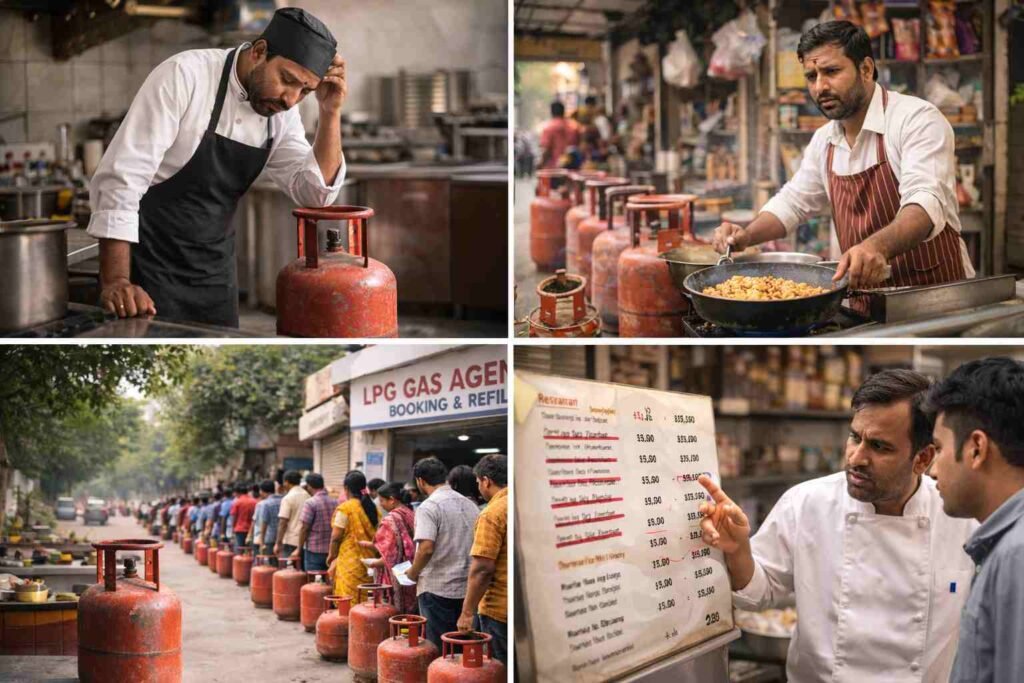
The shortage of LPG gas cylinders is affecting multiple sectors across the country, such as:
1. Restaurants and Hotels
Restaurants and food outlets depend heavily on commercial LPG cylinders. Many establishments are reducing menu items or temporarily shutting down operations.
2. Catering and Food Businesses
Wedding caterers, tiffin services, and street food vendors rely on LPG for cooking large quantities of food. The shortage has disrupted many small businesses.
3. Rising Food Prices
As LPG gas price increases and supply becomes limited, the cost of preparing food also rises. This could eventually lead to higher food prices for consumers.
4. Panic Buying and Long Queues
Fear of shortage has caused panic buying in some areas, leading to long queues at distribution centres and petrol pumps.
LPG Gas Price Trends
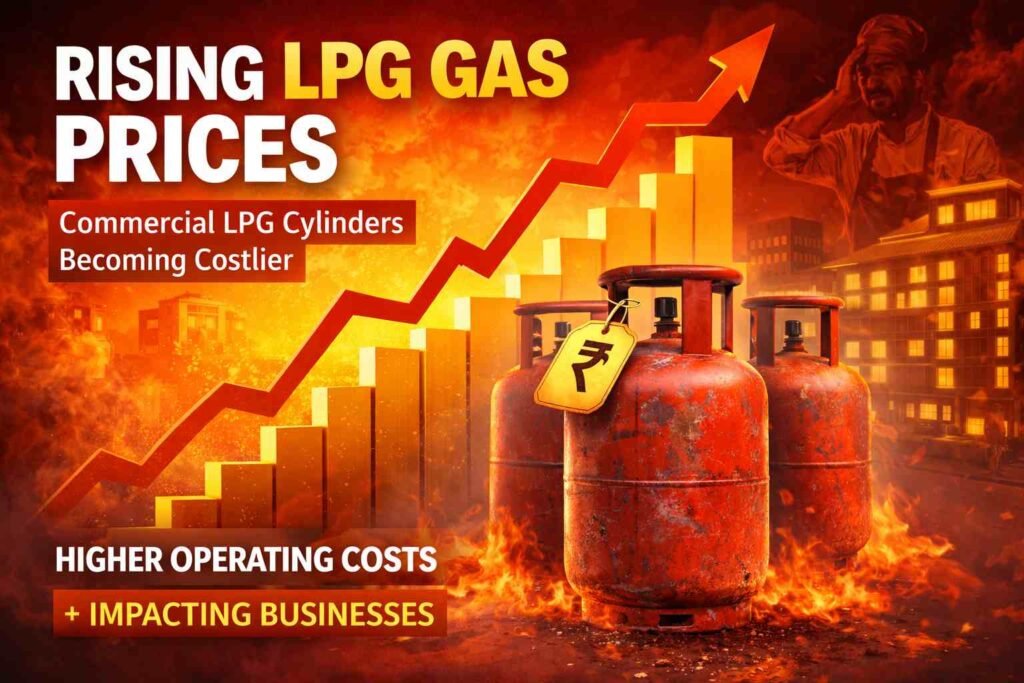
Due to the shortage, the LPG gas price went high in many cities. Commercial cylinders have become more expensive, increasing operating costs for restaurants and hotels.
When supply becomes limited and demand remains high, prices naturally increase. This is why many businesses are concerned about the long-term impact of the current crisis.
How to Save LPG Gas at Home?
Households can reduce gas usage by following simple cooking practices:
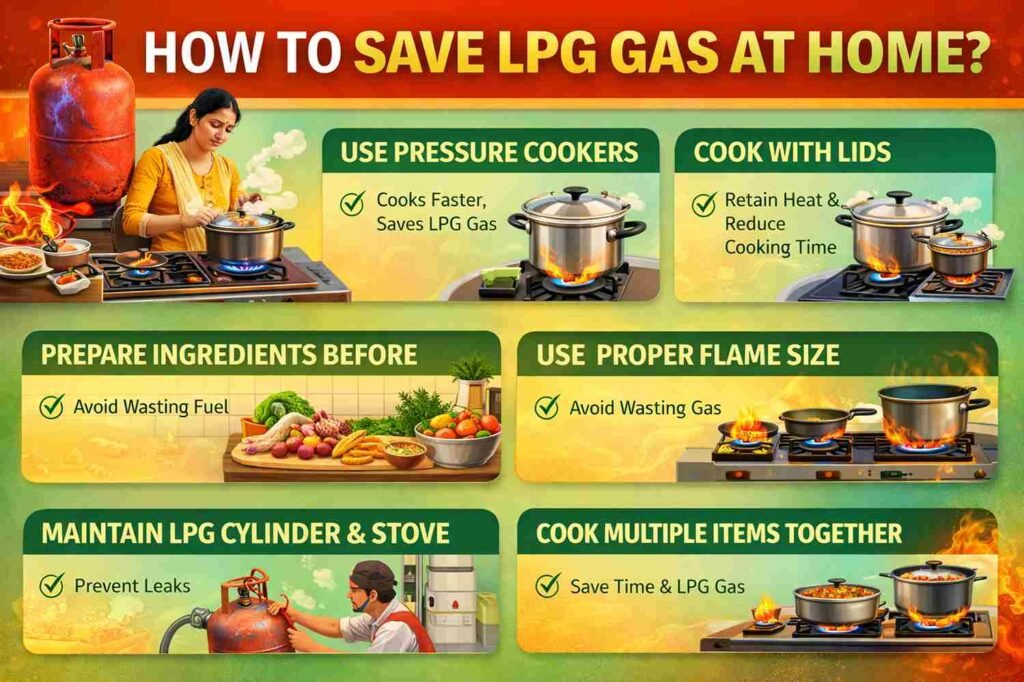
1. Use Pressure Cookers
Pressure cookers reduce cooking time and help save a significant amount of LPG gas.
2. Cook with Lids
Covering utensils while cooking prevents heat loss and speeds up cooking.
3. Prepare Ingredients Before Lighting the Stove
Cut vegetables and prepare spices before turning on the gas to avoid wasting fuel.
4. Use Proper Flame Size
A flame larger than the utensil wastes LPG gas.
5. Maintain the LPG Gas Cylinder and Stove
Regularly check the gas regulator, pipe, and stove to prevent leaks.
6. Cook Multiple Items Together
Cooking several dishes at the same time can save gas.
Will LPG Supply Improve in Future?
The Indian government and oil companies are planning measures to address this matter. They are initiating some possible steps to manage the situation.
- Refinery operators have been informed to increase LPG production.
- Additional gas supplies are being directed to priority sectors.
Energy experts believe that once geopolitical tensions ease and global shipping routes stabilize, the supply of LPG will gradually recover.
Conclusion
The issue of LPG gas shortage shows how global events can affect our daily lives. The ongoing crises created a temporary imbalance between supply and demand. Authorities are working to stabilize supply and control LPG gas price. On the other hand, households and businesses should focus on efficient use of LPG gas.
Learning proper cooking methods, kitchen management, and fuel efficiency can help reduce dependency on excessive gas usage.
If you love cooking and want to learn professional kitchen management, energy-efficient cooking techniques, and latest culinary skills, training from highly skilled professionals can make a difference.
Join NFCI (National Finishing and Cookery Institute) — top culinary and hotel management training institute with 36+ years of excellence in the hospitality education.
At NFCI, students learn professional cooking, kitchen operations, food safety, and smart resource management that helps students run efficient kitchens in real-world situations in the future career.
This reputed institute trains students to become job-ready from day one.
Visit our website www.nfcihospitality.com to explore our government-approved programs.
Call us at 98880-11222 to book your free counselling session.

You may also like

7 Best Quick Indian Recipes For Busy Days

Baking Soda Vs Baking Powder: What’s The Real Difference?