
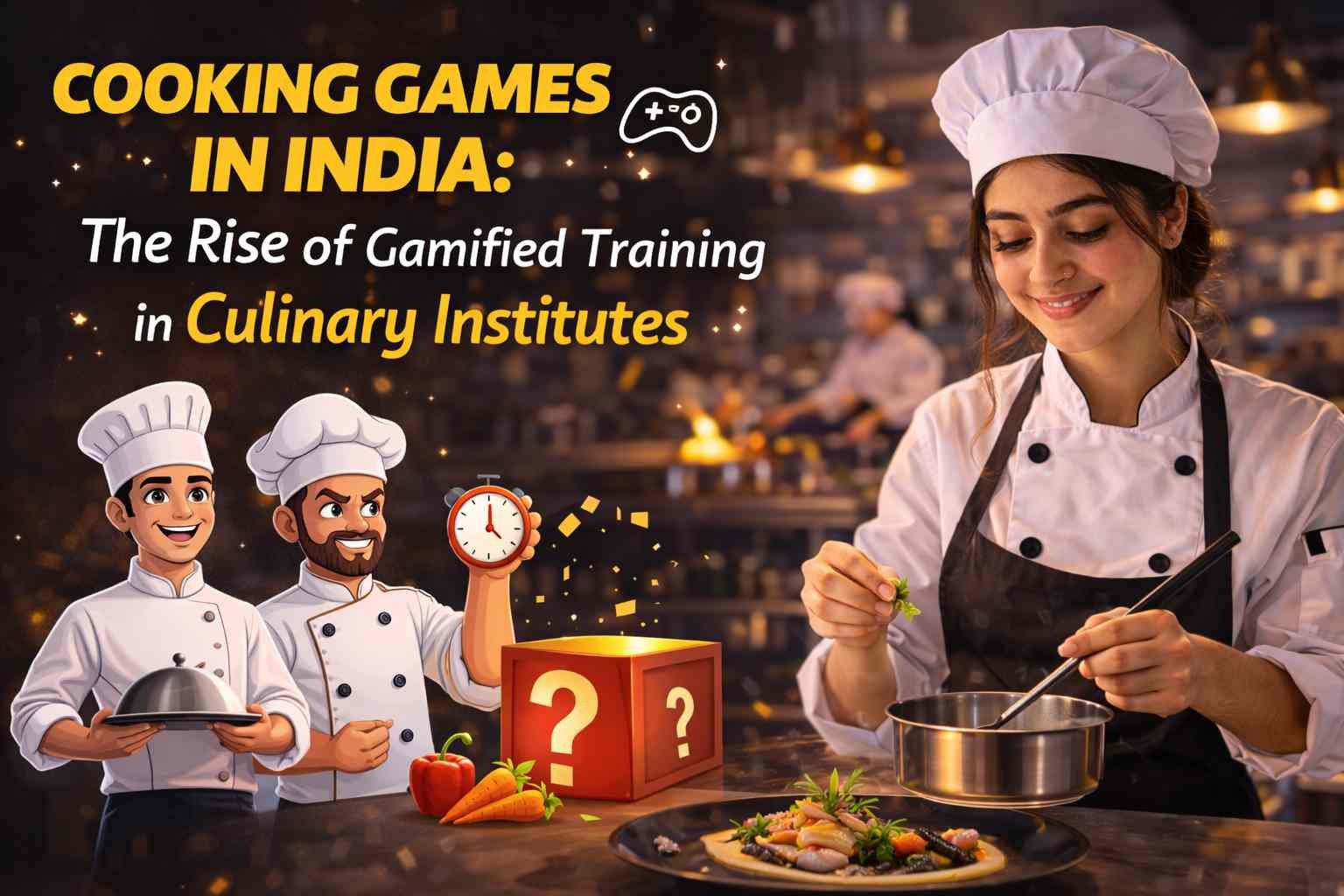
Cooking Games in India: The Rise of Gamified Training in HM and Culinary Institutes
Traditional classroom learning is no longer enough to train students for the fast-paced hospitality industry. The hotel management industry is changing fast – and so is the way students are trained.
Today, cooking games in India are not just limited to entertainment purpose only but also being used a powerful training tools in hotel management and culinary institutes to create interest among the students while learning.
This guide will cover how gamified training is shaping future chefs and hospitality professionals by making education practical, creative, engaging, and career-focused.
Cooking Games are the New-Age Learning Tool in Hotel Education. How?
Today, cooking games are changing hotel education.
In professional culinary education, cooking games are well-structured, hands-on activities especially designed to simulate real kitchen environments. These skill-based challenges that test students on speed, hygiene, creativity, teamwork, and pressure handling. These activities create interest among students and motivate them to give their best.
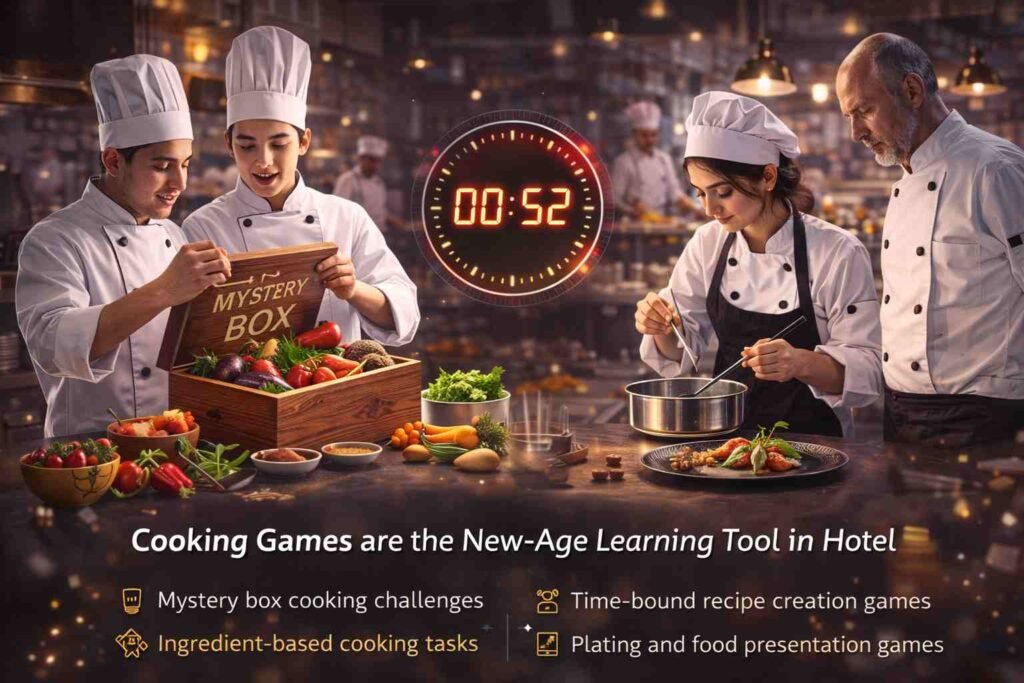
Common cooking games conducted in institutes include:
- Mystery box cooking challenges
- Time-bound recipe creation games
- Ingredient-based cooking tasks
- Plating and food presentation games
Such cooking games help students experience real pressure in kitchens while learning in a controlled, competitive, and fun environment.
1. Games for Hotel Training
These games build core hospitality skills.
Beyond kitchens, games for hotel training play an important role in preparing students for hotel operations. These games replicate real guest-facing and backend scenarios commonly faced in hotels.
Examples of games for hotel training include:
- Front office role-play games
- Guest complaint-handling simulations
- Housekeeping inspection challenges
- Service etiquette and grooming games
These activities help students enhance confidence, professionalism, communication skills, and operational understanding.
2. Restaurant Games
These games build speed & teamwork.
Restaurant games are conducted in hotel management and culinary institutes to train students in live service conditions. These games replicate real restaurant workflows, where coordination and accuracy are critical.
Popular restaurant games include:
- Mock restaurant service rounds
- Order-taking and billing games
- Table setup and fine-dining challenges
- Speed service and kitchen coordination competitions
Through restaurant games, students learn customer service, time management, teamwork, and service efficiency in real-time scenarios.
3. Indoor Games for Hospitality Students
Not all hospitality learning happens inside kitchens or restaurants. Indoor games are essential for developing soft skills that are equally important in the hospitality industry.
Institutes use indoor games to improve:
- Communication and confidence
- Leadership and coordination
- Problem-solving under pressure
These games ensure holistic personality development alongside technical skills.
4. Group Games Indoor
Hospitality is a team-driven industry, making group games indoor a vital part of training. These activities teach students how to work properly in teams—just like real hotel environments.
Examples of group games indoor include:
- Team-based cooking games
- Inter-department coordination challenges
- Time-management group tasks
- Leadership rotation activities
Such games help students understand responsibility, collaboration, and teamwork—key traits expected by employers.
Cooking Activities (Beyond Cooking Games)
Gamified learning doesn’t stop at institute level. National and international culinary competitions act as high-level cooking actithat expose students to real industry standards.
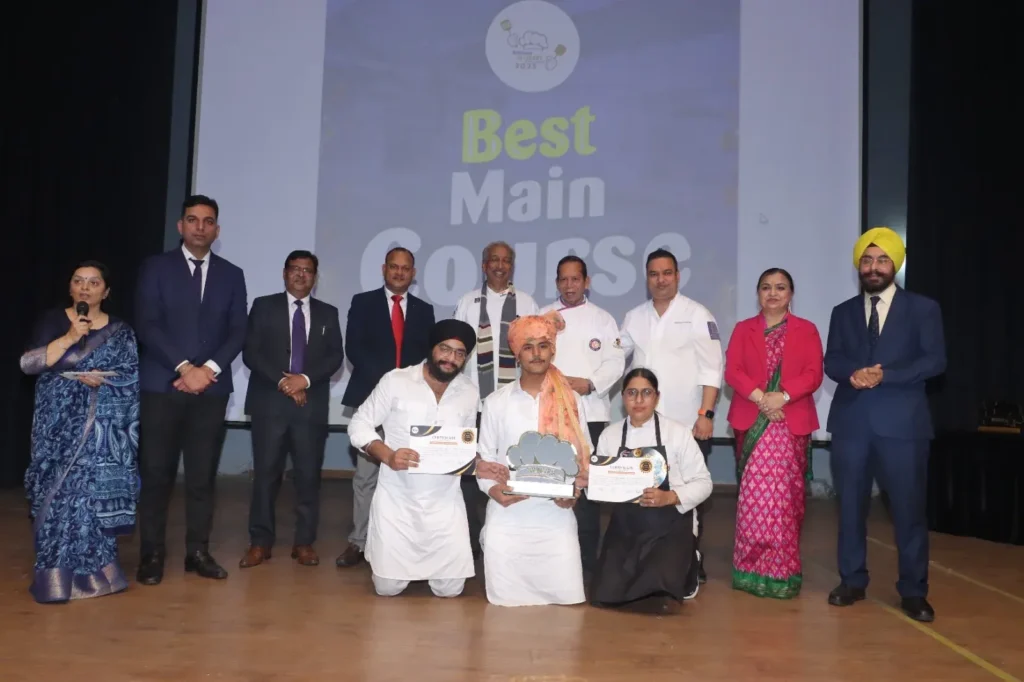
The National Culinary Challenge (NCC) is one of the most prestigious culinary competitions in India, organized annually by the National Finishing and Cookery Institute. This national-level event brings together talented students from NFCI’s campuses across the country to compete in demanding live culinary battles and showcase their creativity, skill, and professionalism.
Participants are evaluated on several key aspects of real-world kitchen performance, including:
- Culinary technique and innovation
- Hygiene and time management
- Presentation and professional discipline
- Performance under live competition pressure
NCC gives students national exposure, industry recognition, and confidence to compete at professional levels.
Why Gamified Training Is Rising in India’s Hospitality Education?
The increasing adoption of cooking games in India reflects a shift toward experiential learning because:
- Students learn faster through practical experience
- Competition boosts confidence and discipline
- Hands-on exposure improves placement readiness
- Learning becomes engaging, effective, and memorable
Gamified training bridges the gap between classrooms and professional kitchens.
Final Thoughts
Cooking games are no longer just fun activities—they are transforming how hotel management and culinary students are trained. From restaurant games and indoor group challenges to national competitions like NCC, this kind of learning is shaping industry-ready professionals with real skills, confidence, and professionalism.
Build Your Hospitality Career with NFCI!
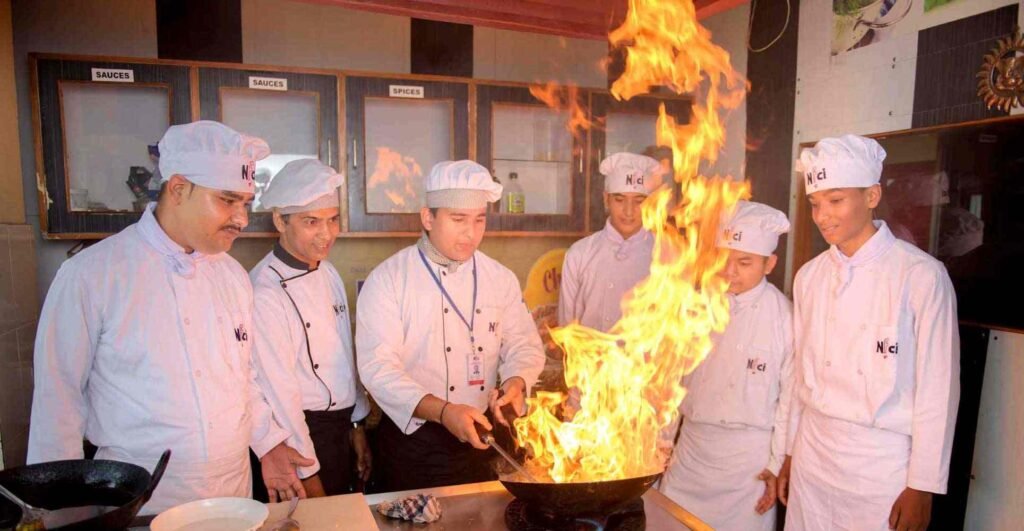
At NFCI (National Finishing and Cookery Institute), training goes beyond textbooks.
With 36+ years of excellence in hospitality and culinary arts, NFCI offers:
- Hands-on kitchen training
- Industry-relevant exposure
- 100% placement support
- Pan-India presence across 21 campuses
- Easy installments fee structure
- U-shaped classrooms
- Internship opportunities
Admissions are open now!
Our website: www.nfcihospitality.com
Contact number: 98880-11222

You may also like

Delicious Vegetable Salad Ideas For Everyday Meals

7 Hidden Dangers of Beetroot: What You Need to Stop!