


Dry Fruits, Nuts or Seeds for winter season
Winter season changes the way our body works. Appetite increases, digestion becomes slightly slow, and the body needs more warmth and more energy to stay active throughout the day. This is the reason why elders always suggest eating dry fruits during winter season.
But many people still feel confused:
- Should I eat dry fruits or seeds?
- Are nuts and dry fruits the same?
- Which is healthier for winter?
Let’s break everything down in easy, everyday language so you can choose wisely.
Why Winter Season Demands Special Nutrition
During winter:
- Our body burns more calories to stay warm
- We feel hungry more often
- Immunity becomes weak due to cold weather
- Joint pain and body stiffness increase
That’s why normal food is sometimes not enough.
This is where dry fruits, nuts, and seeds play a big role. They are small in size but very powerful in nutrition.
Understanding Dry Fruits, Nuts and Seeds – Without Confusion
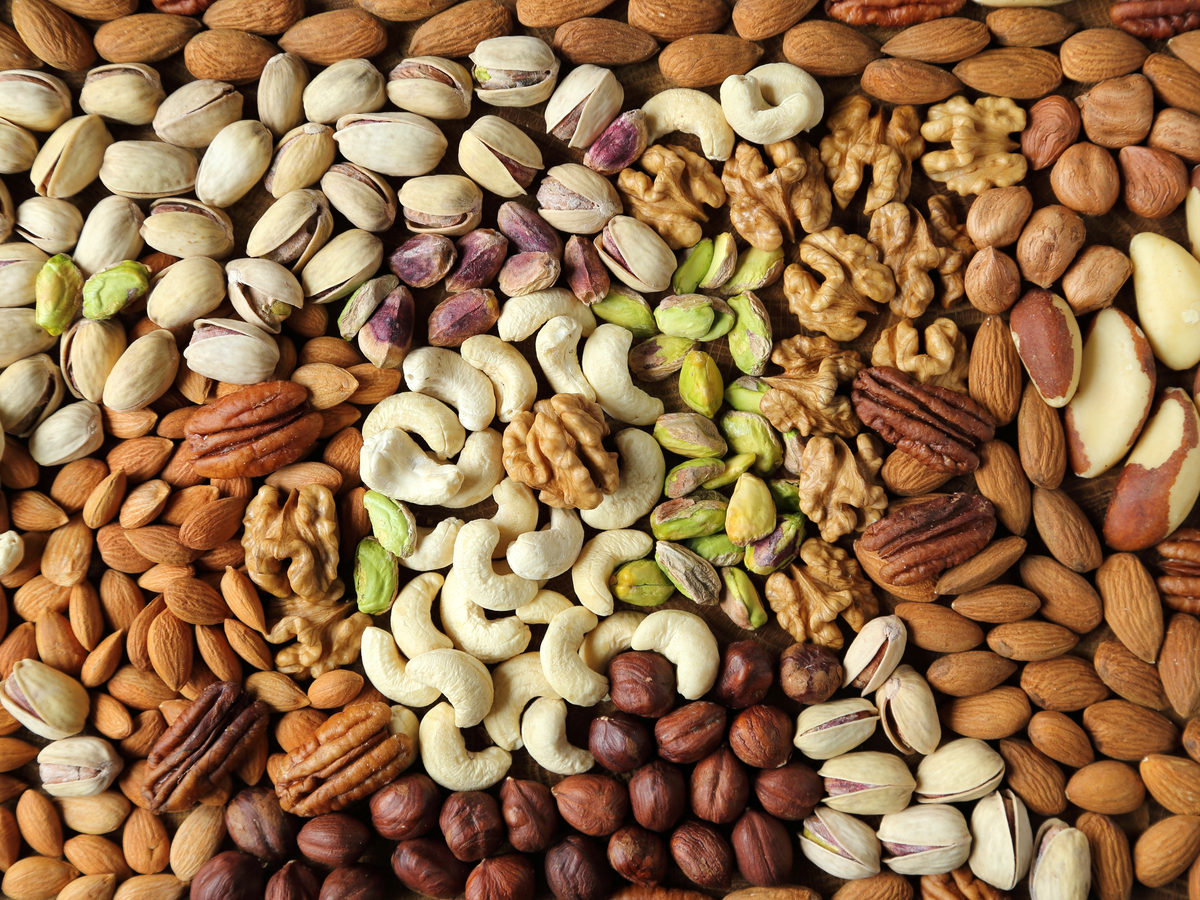
Many people use these terms interchangeably, but they are slightly different.
Dry Fruits – Natural Energy Boosters
Dry fruits are fresh fruits with water removed, which makes them more concentrated in nutrients.
Common dry fruits:
- Dates
- Raisins
- Figs (Anjeer)
- Dried apricots
Why dry fruits are good for winter season:
- They provide instant energy
- Help fight tiredness and weakness
- Improve blood circulation
- Keep the body warm naturally
However, dry fruits also contain natural sugar, so they should be eaten in controlled quantity.
Nuts – Strength and Warmth Providers
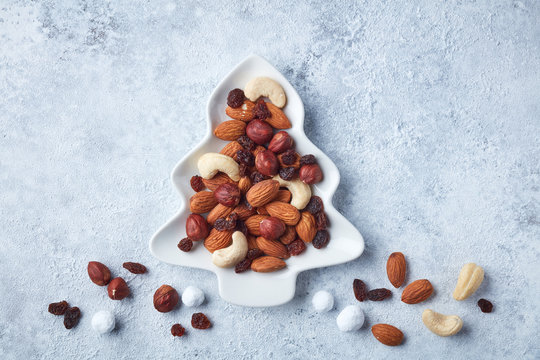
Nuts are hard-shelled fruits rich in healthy fats and protein.
Popular nuts eaten in winter:
- Almonds
- Walnuts
- Cashews
- Pistachios
Benefits of nuts in winter season:
- Keep the body warm for a longer time
- Improve brain power and memory
- Strengthen bones and muscles
- Help maintain healthy weight
Nuts are considered one of the best dry fruits for winter season because they provide long-lasting energy.
Seeds – Small But Extremely Powerful
Seeds are often ignored, but they are nutrition-packed foods.
Common winter-friendly seeds:
- Pumpkin seeds
- Sunflower seeds
- Flax seeds
- Chia seeds
Why seeds are good for winter:
- High in fiber for better digestion
- Rich in omega-3 fats for heart health
- Help reduce inflammation and joint pain
- Light on stomach yet filling
Seeds are especially helpful when winter digestion becomes slow.
Dry Fruits or Seeds – What Is Better for Winter Season?
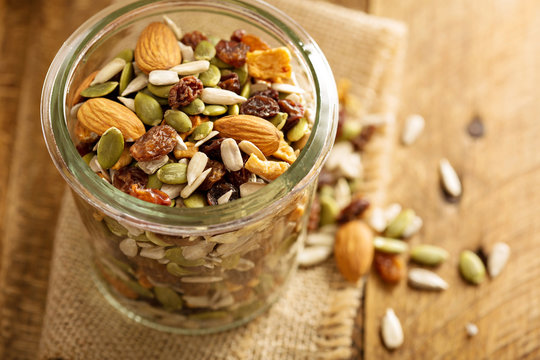
The honest answer is — none is better alone.
Each one serves a different purpose:
- Dry fruits give quick energy
- Nuts give warmth and strength
- Seeds support digestion and heart health
The best option for winter season is a combination of dry fruits, nuts, and seeds.
Eating only one type may limit benefits, but eating all in balance keeps the body healthy and energetic.
Best Dry Fruits for Winter Season (Must-Have List)

Here are some winter essentials you should include in your daily routine:
- Almonds: Improve immunity and brain function
- Walnuts: Keep body warm and support heart health
- Dates: Natural energy booster and blood purifier
- Raisins: Help in digestion and iron absorption
- Anjeer (Figs): Good for gut health and bones
- Pumpkin Seeds: Rich in zinc, great for immunity
This mix covers energy, warmth, digestion, and immunity.
How Much Dry Fruits Should You Eat in Winter?
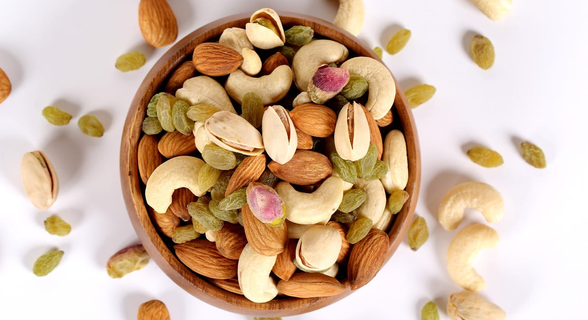
More does not always mean better.
Ideal daily intake:
- 4–5 almonds
- 1–2 walnuts
- 2 dates or figs
- 1 tablespoon mixed seeds
Eating too many dry fruits can cause:
- Weight gain
- Acidity
- Indigestion
So balance is the key.
Best Time and Easy Ways to Eat Dry Fruits in Winter
If you don’t like eating them plain, try these simple options:
- Soaked almonds in the morning
- Dry fruit milk at night
- Homemade laddoos using dates and nuts
- Roasted seeds as evening snacks
- Adding chopped dry fruits to porridge or oats
These methods make dry fruits easy to digest and enjoyable.
Final Thoughts: What Should You Choose This Winter?
There is no need to choose between dry fruits, nuts, or seeds.
✔ Dry fruits give instant energy
✔ Nuts provide warmth and strength
✔ Seeds improve digestion and heart health
The smartest winter diet includes all three in the right quantity.
So this winter season, eat smart, stay warm, and let dry fruits for winter season support your health naturally.
Learn the right diet with NFCI
It is clear to you now that dry fruits, nuts, and seeds are all good for health; the right choice simply depends on your personal preference and health goals. If you are trying to lose weight, nuts and seeds are a smarter option because dry fruits contain natural sugars and can increase calorie intake when eaten in excess.
If you are someone who is truly passionate about eating healthy, learning the art of culinary skills can change your life. First, you gain a practical skill that stays with you for life. Second, when you cook for yourself, you naturally become more responsible about your health, ingredients, and eating habits. And third, culinary skills are not just about cooking—they are a lifelong asset that can also be turned into a rewarding and successful business.
So don’t just think about it—take the first step. Enrol in our upcoming course and start your journey towards a healthier and skill-driven future.
For more information, call us at +91-9888011222.
With 36,549+ students already transformed, you could be the next success story.