


World Environment Day: 10 Eco-Friendly Habits Every Chef Should Follow
“World Environment Day reminds us that nature is the ultimate chef”
Nature gives us every ingredient we cook with — protecting it is also part of a chef’s recipe.
Every year on 5 June, the world celebrates World Environment Day to spread awareness about protecting nature and encouraging greener living.
If you notice, everything in the culinary world starts with nature, such as fresh veggies on your plate, spices in your dishes, grains in your kitchen, and so on. The hospitality and culinary industry uses huge amounts of water, energy, packaging materials, and food resources daily.
The responsibility of protecting the environment is not limited to governments alone. Even kitchens, restaurants, hotels, and culinary professionals play a major role in protecting the environment. Therefore, it is important for chefs to learn practices that promote sustainable living. A small habit in the kitchen, like reducing food waste, saving water, avoiding plastic, and choosing eco-friendly packaging, can create a big impact on the environment.
This Environment Day is the perfect reminder for chefs, culinary students, and hospitality professionals to learn 10 eco-friendly habits for sustainable living. Read this full guide to unlock the habits that every chef should adopt!
Why Environment Day Matters in the Culinary Industry?

The culinary industry is directly connected with nature. Every ingredient used in the kitchen comes from the atmosphere, such as veggies, fruits, spices, grains, water, and dairy products. Therefore, it is important to protect these resources otherwise the food industry will also face repercussions in the future.
Hey culinary chefs! You must know about the following practices for creating a healthier future for the planet:
- Sustainable cooking
- Waste reduction
- Energy-efficient appliances
- Eco-friendly packaging
- Smart food management
Eco-Chef Insight: Today’s chefs are becoming “planet protectors” by choosing sustainable ingredients and reducing kitchen waste.
10 Eco-Friendly Habits Every Chef Should Follow
1. Reduce Food Waste
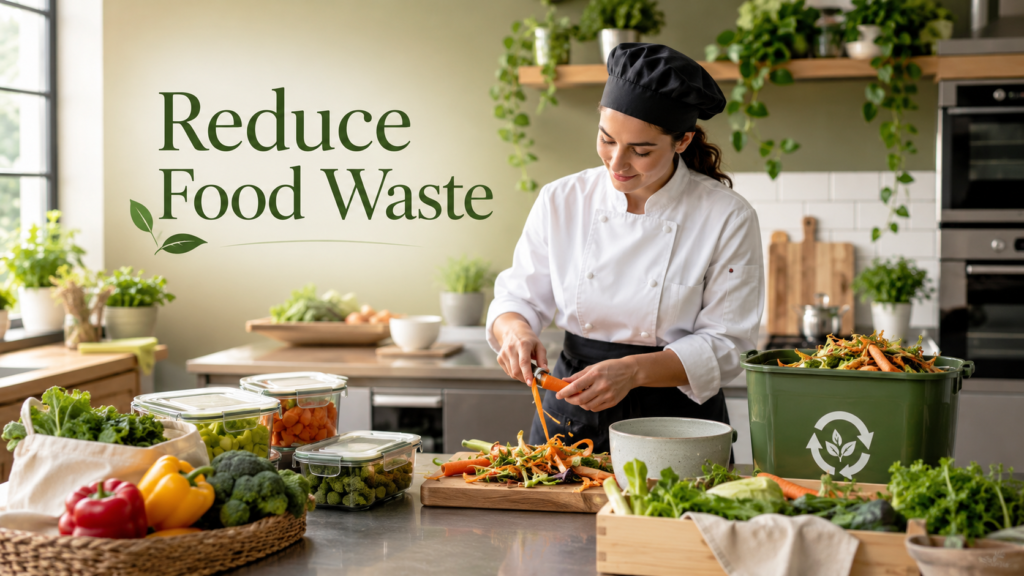
Food wastage is one of the biggest environmental problems worldwide. Professional chefs should learn how to use ingredients properly and minimize waste in kitchens. Vegetable peels, leftover rice, stale bread, and extra ingredients can often be reused creatively.
Smart stock management and proper portion control can also help reduce unnecessary food waste.
2. Use Seasonal and Local Ingredients
Using seasonal ingredients is healthier, fresher, and more environmentally friendly. Local produce requires less transportation, which reduces carbon emissions and supports local farmers.
Chefs who focus on regional and seasonal cooking contribute towards sustainable food systems while also improving food quality and taste.
3. Save Water in the Kitchen
Kitchens use large amounts of water every day for cooking, washing, and cleaning. Small habits like turning off taps when not in use, fixing leakages, and using water-efficient cleaning methods can make a big impact.
On this environment day, promoting water conservation in kitchens is an important step toward sustainability.
4. Avoid Single-Use Plastic
Plastic waste is one of the major environmental concerns today. Professional kitchens should reduce the use of single-use plastic items such as plastic spoons, bottles, straws, and packaging materials.
Instead, chefs can switch to reusable containers, steel storage boxes, cloth bags, and biodegradable packaging.
5. Practice Proper Waste Segregation
Separating wet waste and dry waste is an essential eco-friendly kitchen habit. Organic waste can be composted, while recyclable materials like paper, glass, and metal can be processed properly.
Waste segregation helps maintain cleanliness and reduces environmental pollution.
6. Use Energy-Efficient Cooking Practices
Modern kitchens consume a lot of electricity and fuel. Using energy-efficient appliances, switching off unused equipment, and maintaining kitchen machines properly can reduce energy consumption.
Simple habits such as covering pots while cooking and using proper flame control also help save energy.
7. Compost Organic Waste
Fruit peels, vegetable scraps, tea leaves, and food leftovers can be converted into compost instead of being dumped into landfills.
Composting creates natural fertilizer and reduces kitchen waste significantly. Many eco-conscious restaurants and hotels are now adopting composting practices as part of sustainable hospitality.
8. Promote Plant-Based Meals
Plant-based meals are considered more environmentally sustainable because they generally require fewer natural resources compared to heavily processed or meat-based foods.
Adding healthy vegetarian dishes, millet recipes, salads, and plant-based options to menus can support environmental conservation while promoting healthier eating habits.
9. Store Food Properly
Improper food storage leads to spoilage and wastage. Professional chefs should learn correct storage techniques, temperature control, and stock rotation methods.
Proper food storage helps maintain food quality, reduces waste, and improves kitchen efficiency.
10. Spread Awareness About Sustainable Cooking
One of the most important responsibilities of a chef is to inspire others. Culinary professionals should educate kitchen staff, students, and customers about sustainable cooking practices.
Even small awareness initiatives can create long-term positive changes in society.
Celebrating Environment Day at NFCI

At NFCI (National Finishing and Cookery Institute), Environment Day is celebrated with awareness, responsibility, and positivity every year. The institute believes that culinary education should not only focus on cooking skills but also on building environmentally responsible professionals for the future.
To celebrate World Environment Day, NFCI organizes meaningful initiatives that encourage students and team members to adopt green habits in their daily lives. As part of the celebration, plants are gifted to team members and students to spread the message of sustainability and environmental care.
Through these initiatives, NFCI motivates future chefs and hospitality professionals to understand the importance of protecting nature while building successful careers. The celebration of environment day at NFCI reflects the institute’s commitment toward creating skilled professionals who care for both their profession and the planet.
Build a Sustainable Career with NFCI
If you are passionate about cooking and modern culinary practices, NFCI (National Finishing and Cookery Institute)could be your smart choice to start the journey.
Why NFCI?
- 36+ years of excellence in culinary arts and hospitality
- Government-approved programs
- Hands-on practical sessions in kitchen environments
- U-shaped classrooms
- Expert chef faculty
- 21+ campuses in India
NFCI helps students build successful careers.
Admissions are open! Apply now and become a skilled professional who contributes toward a better future.
Visit www.nfcihospitality.com to explore our skill-based programs.

You may also like

THINGS TO CHECK BEFORE JOINING A HOTEL MANAGEMENT INSTITUTE

17 HEALTHY SNACKS THAT CAN HELP WITH WEIGHT LOSS