

Important Basics to Structure to make Dough – NFCI
Dough Making
Making a perfect dough for baking is one of the most important thing to do in cooking. Dough is one of the base for every kind of bakery cooking.
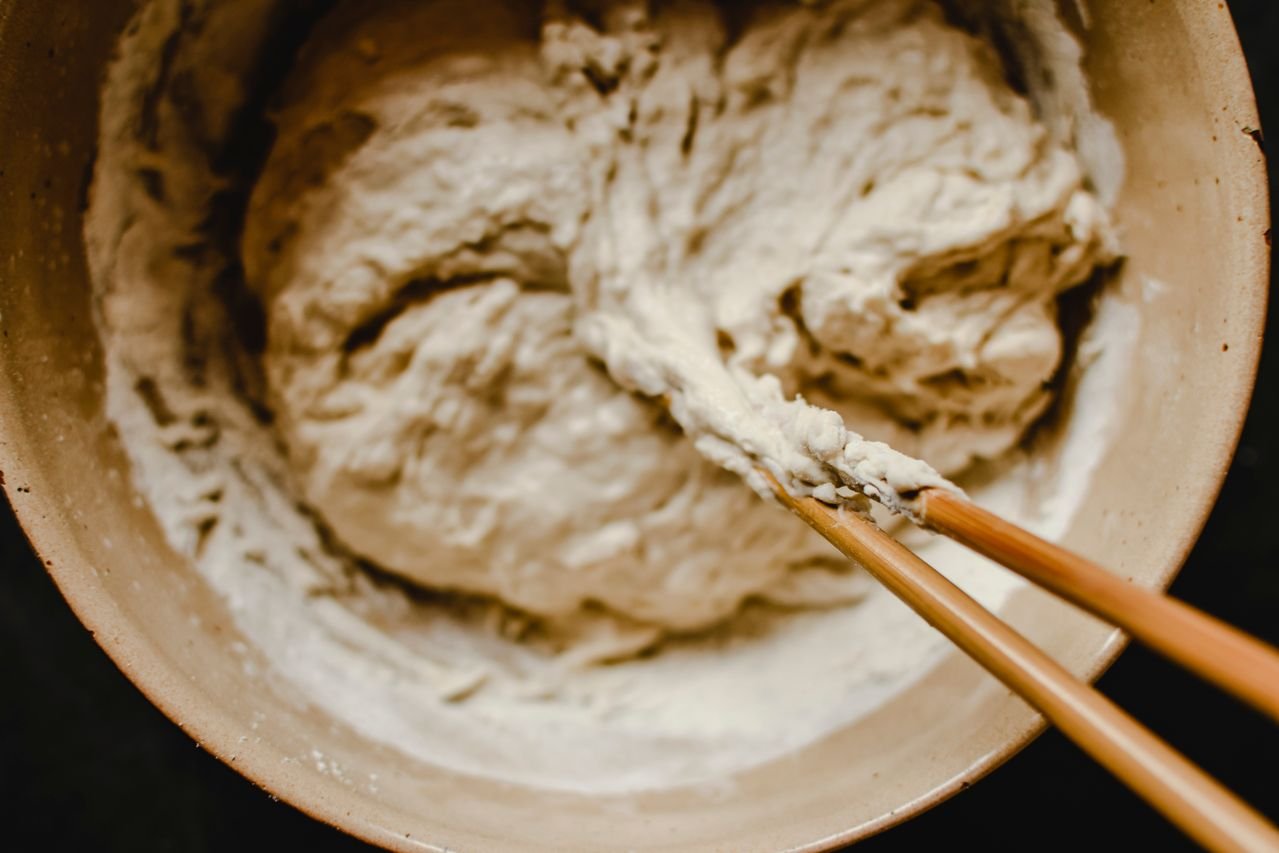
There are many methods are used to make different kind of dough to make different types of bakery cake, biscuits, and more.
The Science of Dough Structure
The true star of most doughs is the protein found in wheat flour: gluten.
When you mix flour with water and begin to knead it, two proteins—glutenin and gliadin—bond together to form an elastic network called gluten. This network acts like a net, trapping air and gases (produced by yeast or chemical leaveners) inside the dough.
Low-gluten doughs (like those for cakes or biscuits) produce a soft, crumbly texture.
High-gluten doughs (like those for sourdough or pizza) provide the strength needed for a chewy, airy crumb.
The Three Pillars of Great Dough
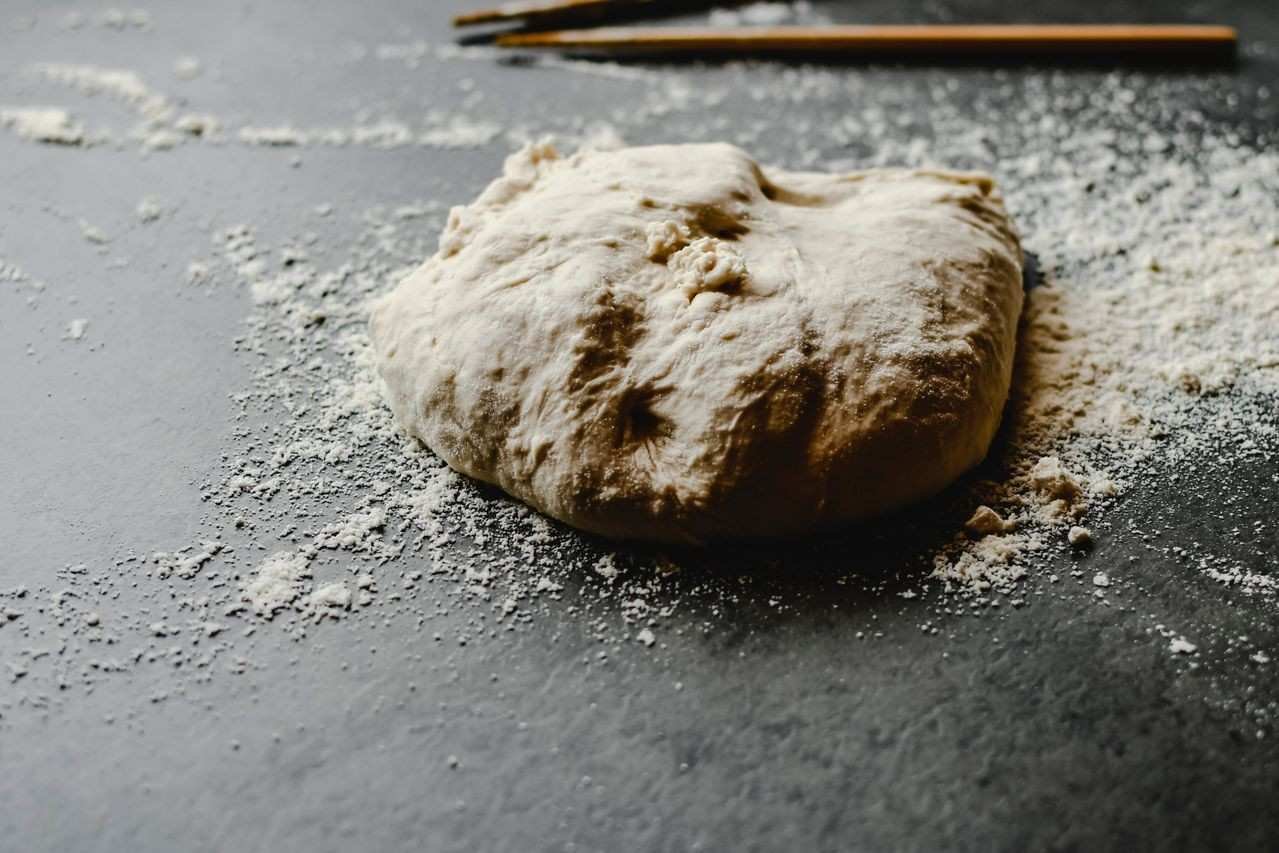
Achieving the perfect consistency depends on balancing three main factors:
Hydration: The ratio of liquid to flour. High-hydration doughs (like ciabatta) result in large, open bubbles, while lower-hydration doughs (like pasta) are dense and firm.
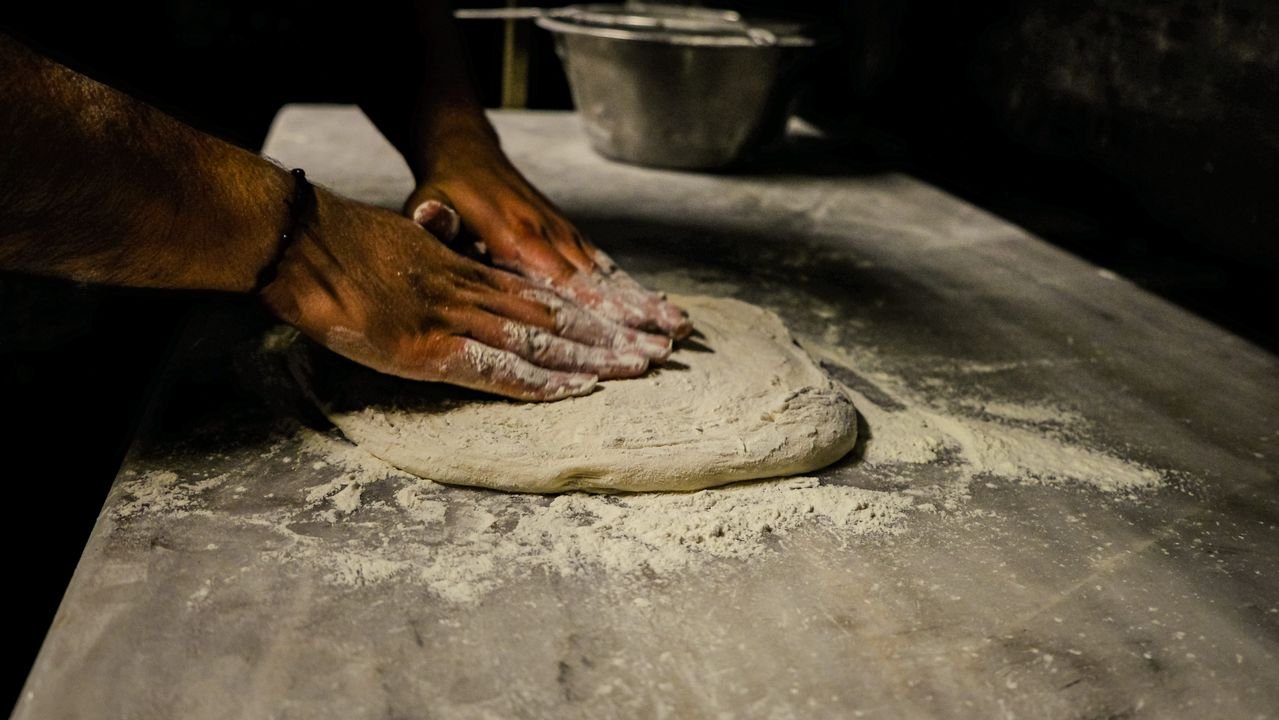
Manipulation (Kneading/Folding): This process develops the gluten structure. Some doughs require aggressive kneading, while others rely on time and gentle “stretch-and-fold” techniques to build strength.
Fermentation: For leavened doughs, this is where flavor is born. As yeast or bacteria consume the sugars in the flour, they release carbon dioxide (to make the dough rise) and organic acids (which create complex, savory flavors).
Tips for Better Results to make dough
Temperature Matters: Cold dough is easier to handle, but warm dough encourages fermentation. Always follow the recipe’s temperature guidance.
The “Windowpane” Test: If you are making yeast bread, tear off a small piece of dough and gently stretch it. If it stretches thin enough to see light through it without breaking, your gluten is perfectly developed.
Patience: Often, the best flavor and texture come from giving the dough enough time to rest. Whether it’s letting a pie crust chill or allowing a loaf to undergo a long, cold fermentation, patience is the secret ingredient.
I hope these general tips and tricks will help you to make perfect base. These are the basics in cooking to make the different kind of bakery cakes, biscuits, and more.
If you want to start career in cooking then making it perfectly is one of the importact thing. These are the basics of cooking.
But you also have the option to bake the world a better place with us at NFCI. You know you have a passion for bakery but don’t know when and where to start from?
Our curriculum at NFCI fits all requirements and changing trends of the industry. We not only give you a deep theoretical and practical approach towards baking but also filter your art with industrial visits and laboratory activities. That are going to help you become successful in food industry.
Our one year course and six months training make you pundit to artisan bread and cake making, candy and chocolate formulations and many more bakery products.

You may also like

THINGS TO CHECK BEFORE JOINING A HOTEL MANAGEMENT INSTITUTE

17 HEALTHY SNACKS THAT CAN HELP WITH WEIGHT LOSS