
Top 14 Types of Chefs in a Professional Kitchen You Should Know
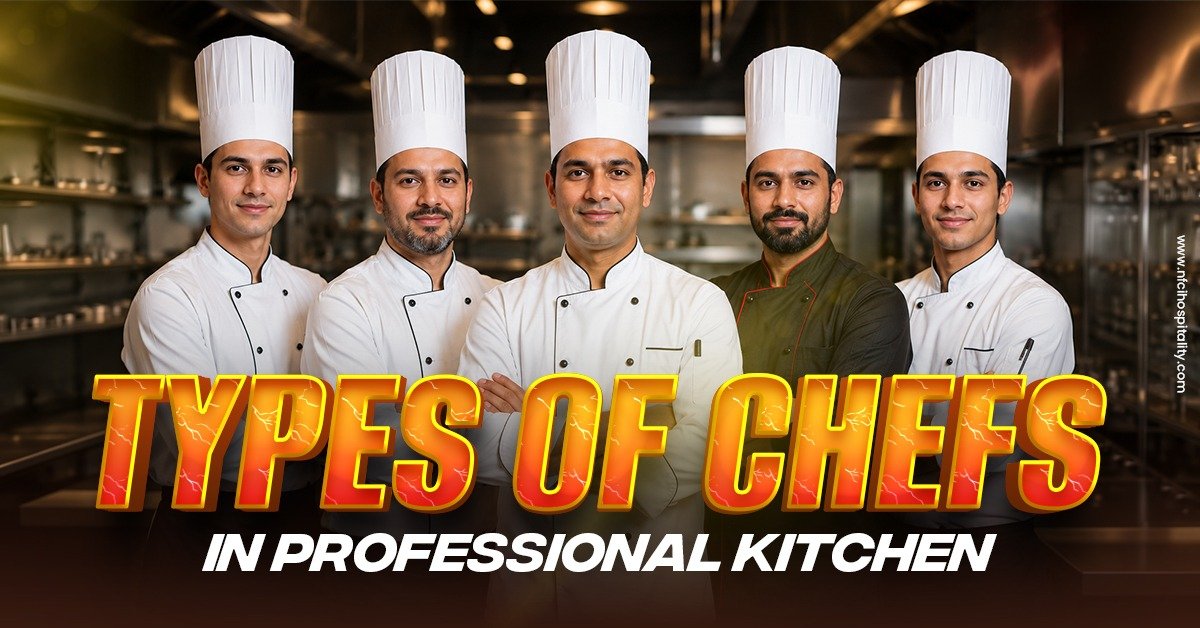
Who is responsible for the delicious food when you visit a restaurant? Most people think there is only one chef making these dishes, but there are different types of chefs in a professional kitchen. Each one has specific responsibilities. These skilled culinary professionals work together in a kitchen with hard work, creativity, and discipline.
A chef’s responsibility is not just limited to cooking food. They manage kitchen staff, design menus, make sauces and desserts, maintain hygiene standards, and do so much more. Each chef plays a huge role in satisfying customers and making their experience more exciting.
If you want to explore career opportunities in the culinary industry, you must learn about the various chef positions. In this blog post, we’ll explore the different types of chefs, their responsibilities, and how they contribute to the success of a professional kitchen.
What Is a Chef?
The word “chef” originates from the French phrase chef de cuisine, meaning “head of the kitchen.”
A chef is a highly skilled culinary professional who manages a kitchen in a restaurant or hotel. He specializes in preparing, cooking, and presenting food. Most people often confuse between the Chef vs Cook . Let’s know the difference:
Chef vs Home Cook: Understanding the Difference
Don’t believe the misconception that a chef and a home cook perform the same role. Both prepare food, but their responsibilities and skill levels can differ.
A home cook prepares meals primarily for personal enjoyment and for family and friends, whereas a chef works in commercial environments such as restaurants, hotels, resorts, cruise ships, catering companies, and bakeries, where customer satisfaction is important. Chefs must understand food costing, inventory management, kitchen operations, food safety regulations, and team coordination.
A chef’s responsibilities are not just limited to cooking food. They are involved in menu planning, food safety management, ingredient selection, kitchen supervision, and maintaining quality standards. Their expertise ensures that every dish meets customer expectations while maintaining consistency and efficiency.
A home cook may have excellent cooking skills and even run a small food business from home. However, a professional chef undergoes structured training and gains experience working in commercial kitchen environments.
Why Are Different Types of Chefs Needed in a Professional Kitchen?
Serving hundreds of guests everyday is not an easy task for a single chef. If one person had to prepare main courses, desserts, sauces, breads, and drinks alone, service would quickly become chaotic.
To maintain efficiency, professional kitchens divide responsibilities among different types of chefs. Each chef specializes in a particular area, allowing the kitchen to produce high-quality food consistently while managing large volumes of orders.
1. Executive Chef (Head Chef)
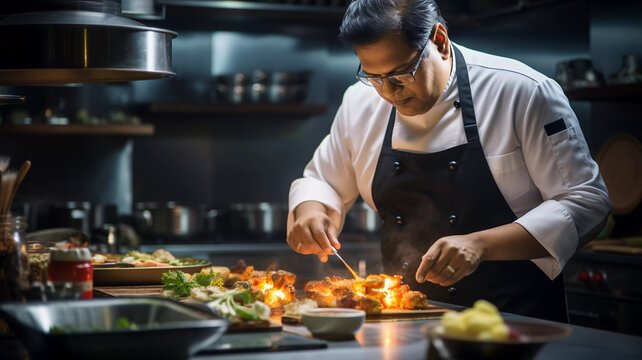
The Executive Chef is one of the most reputed types of chefs and highest-ranking professional in a kitchen. Often referred to as the Head Chef, this individual oversees the entire culinary operation.
An executive chef is responsible for creating menus, managing food costs, hiring kitchen staff, maintaining quality standards, and ensuring customer satisfaction. They also develop new recipes and supervise all kitchen departments.
Key Responsibilities:
- Designing menus and recipes
- Managing kitchen budgets
- Supervising kitchen staff
- Maintaining food quality standards
- Ensuring food safety compliance
- Coordinating with restaurant management
The executive chef serves as the leader of the kitchen and is ultimately responsible for the success of the culinary operation.
2. Sous Chef
The Sous Chef is the second-in-command and acts as the right hand of the executive chef. The word “sous” means “under” in French, reflecting their supporting leadership role.
A sous chef oversees daily kitchen operations, coordinates staff, monitors food preparation, and ensures that service runs smoothly. When the executive chef is absent, the sous chef takes charge of the kitchen.
Key Responsibilities:
- Supervising kitchen staff
- Managing daily operations
- Ensuring food quality
- Training junior chefs
- Monitoring kitchen efficiency
- Assisting with menu execution
Many successful executive chefs begin their careers as sous chefs, making this one of the most important positions in the kitchen hierarchy.
3. Chef de Partie (Station Chef)
A Chef de Partie is responsible for managing a specific section or station within the kitchen. Since each station requires specialized skills, these types of chefs focus on particular food categories.
Common stations include:
- Grill Station
- Sauce Station
- Fish Station
- Vegetable Station
- Pantry Station
By specializing in one area, a Chef de Partie develops expertise and ensures consistency in food preparation.
4. Pastry Chef
A Pastry Chef specializes in desserts, pastries, cakes, chocolates, and baked treats. This role combines culinary skill with creativity and precision.

Pastry chefs are responsible for creating visually appealing desserts that enhance the overall dining experience. Their work requires attention to detail, artistic presentation, and a deep understanding of baking science.
5. Bakery Chef
The Bakery Chef focuses on producing bread, buns, rolls, croissants, and other baked goods. Unlike pastry chefs who concentrate on desserts, bakery chefs specialize in fermentation, dough preparation, and baking techniques.
Freshly baked products are often a signature feature of hotels, bakeries, and fine-dining establishments, making this role highly valuable.
6. Saucier Chef
Often considered one of the most skilled positions among the types of chefs in a professional kitchen, the Saucier Chef is responsible for preparing sauces, gravies, stocks, and reductions.
Since sauces can define the flavor profile of a dish, the saucier plays a critical role in maintaining culinary excellence.
7. Fish Chef (Poissonnier)
The Fish Chef specializes in seafood preparation. From cleaning and filleting fish to cooking delicate seafood dishes, this chef ensures freshness, quality, and proper cooking techniques.
Restaurants that feature extensive seafood menus rely heavily on the expertise of a fish chef.
8. Grill Chef (Grillardin)
The Grill Chef is responsible for preparing grilled meats, poultry, seafood, and vegetables.
This position requires precise temperature control and cooking techniques to ensure dishes are perfectly cooked while maintaining flavor and texture.
9. Vegetable Chef (Entremetier)
The Vegetable Chef handles vegetables, soups, rice dishes, and side items. While the role may sound simple, these dishes are essential components of a balanced and visually appealing meal.
This chef ensures that accompaniments complement the main course effectively.
10. Pantry Chef (Garde Manger)
The Pantry Chef specializes in cold food preparation, including salads, appetizers, sandwiches, cold platters, and garnishes.
Presentation is especially important in this role because guests often form their first impression of a meal through appetizers and salads.
11. Commis Chef
A Commis Chef is an entry-level culinary professional who works under experienced chefs to learn kitchen operations and cooking techniques.
This role provides valuable hands-on experience and serves as the foundation for career growth in the culinary industry.
Responsibilities include:
- Basic food preparation
- Assisting senior chefs
- Maintaining cleanliness
- Learning kitchen procedures
- Supporting food service operations
Most culinary professionals begin their journey as a commis chef before advancing to higher positions.
12. Personal Chef
A Personal Chef prepares customized meals for individual clients or families. Unlike restaurant chefs, personal chefs tailor menus according to dietary preferences, health requirements, and lifestyle needs.
With growing demand for healthy eating and personalized nutrition, this career path has become increasingly popular.
13. Private Chef
While similar to a personal chef, a private chef typically works full-time for one employer, family, or household.
Private chefs often travel with their employers and create exclusive dining experiences tailored to specific preferences.
14. Home Chef
The rise of social media and food entrepreneurship has created exciting opportunities for the home chef. A home chef prepares and sells food from a home-based kitchen or offers specialized catering services.
Many successful culinary entrepreneurs begin as home chefs before expanding into larger food businesses.
15. Celebrity Chef
Celebrity chefs combine culinary expertise with media presence. Through television shows, books, restaurants, and social media platforms, they influence food trends and inspire aspiring culinary professionals worldwide.
Their success demonstrates how culinary skills can open doors beyond the traditional restaurant industry.
Kitchen Hierarchy in a Professional Kitchen
A typical kitchen hierarchy follows this structure:
Executive Chef
↓
Sous Chef
↓
Chef de Partie
↓
Commis Chef
This organized chain of command ensures efficient communication, accountability, and smooth kitchen operations.
Skills Every Successful Chef Needs

Every chef should develop the following skills:
- Culinary skills
- Creativity and innovation
- Time management skills
- Leadership abilities
- Communication skills
- Teamwork
- Food safety knowledge
- Attention to detail
- Problem-solving abilities
Final Words
A professional kitchen is a carefully organized environment where different types of chefs work together to create memorable dining experiences. Every position contributes to the success of the kitchen.
If you are interested in cooking and dream of building a successful career in this industry, the right training from an professional insitute must be your first step. Join NFCI (National Finishing and Cookery Institute). Here, students receive hands-on training and guidance from experienced chefs to prepare for real-world opportunities.
Visit our website www.nfcihospitality.com and explore our govt. approved programs.
Apply today and start your journey!
What are the main types of chefs in a professional kitchen?
The most common types of chefs include Executive Chef, Sous Chef, Chef de Partie, Pastry Chef, Commis Chef, Pantry Chef, Saucier Chef, Personal Chef, and Home Chef.
What does a sous chef do?
A sous chef assists the executive chef and supervises daily kitchen operations, staff coordination, and food quality control.
What is the difference between a chef and a home cook?
A chef is professionally trained and works in commercial food establishments, while a home cook primarily prepares food for personal or family use.
Can a home chef become a professional chef?
Yes. With proper training, practical experience, and industry exposure, a home chef can successfully transition into a professional culinary career.
Who is the highest-ranking chef in a kitchen?
The Executive Chef is typically the highest-ranking chef among the types of chefs and oversees the entire kitchen operation.

You may also like

How to Plan Your Food Menu for Better Sales and Lower Costs?

Hotel management course fees in India 2026 | A Complete Guide