

7 Secret Ingredients Professional Chefs Always Use
Have you ever wondered why restaurant food tastes so different from food cooked at home? The answer is not always expensive secret ingredients or complicated recipes. Professional chefs understand how to balance flavours, control heat, use the right cooking techniques, and add small ingredients that can make a big difference.
Some simple secret ingredients can improve the taste, aroma, colour, and texture of everyday dishes. From Kasuri Methi to freshly ground spices, these ingredients can help you give your food a more restaurant-style flavour.
Let’s explore 7 secret ingredients professional chefs always use.
1. Kasuri Methi
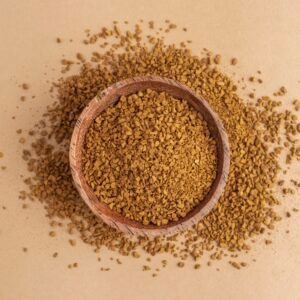
Kasuri Methi, also known as dried fenugreek leaves, is a popular secret ingredient in Indian cooking. It adds a wonderful aroma and a slightly earthy flavour to dishes.
It works especially well in:
- Butter chicken
- Creamy dal
- Paneer dishes
- Indian gravies
- Vegetable curries
For better flavour, crush the dried leaves between your palms before adding them to the dish. You can also lightly roast or warm crushed Kasuri Methi with a little desi ghee before adding it to your curry.
This simple step can give your food that familiar restaurant-style aroma.
2. Kashmiri Chilli Powder
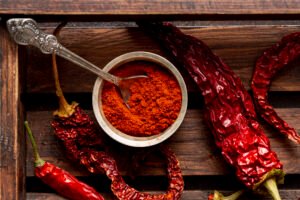
Kashmiri chilli powder is another useful secret ingredient in professional kitchens. It gives food a beautiful bright red colour without making it extremely spicy.
Chefs commonly use it in:
- Tandoori dishes
- Kebabs
- Marinades
- North Indian gravies
- Curries
The key is using the right amount. Too much chilli powder can affect the taste, while the right quantity can improve both the colour and overall appearance of your dish.
Good cooking is not only about taste. Food presentation also plays an important role.
3. Hing
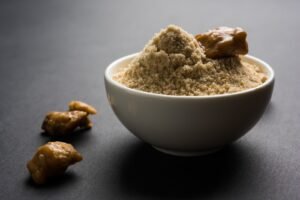
A small pinch of hing, or asafoetida, can make a surprising difference to a dish.
Hing has a strong smell when raw, but its flavour becomes much milder and more enjoyable when cooked. It is commonly used in:
- Dal
- Lentils
- Vegetables
- Curries
- Tadka and tempering
The important thing is not to use too much. A tiny amount is often enough to add depth and aroma.
Learning how much hing to use is one of those small cooking skills that improves with practice.
4. Jaggery

Jaggery, commonly known as gur, is an underrated secret ingredient in savoury cooking. A small amount of jaggery can help balance acidity, bitterness, saltiness, or heat. It does not necessarily make a dish taste sweet. Instead, it can create a more balanced flavour.
You can try a small amount of jaggery in:
- Tomato-based gravies
- Chutneys
- Sauces
- Some spicy curries
Professional cooking is often about balance, and jaggery can be a simple way to achieve it.
5. Cashew Paste
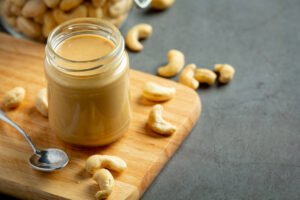
Want to make your gravy rich and creamy? Cashew paste can help.
Soak cashews in water for some time and then blend them into a smooth paste. This can give your dishes a thick, creamy texture and a mild nutty flavour.
Cashew paste is commonly used in dishes such as:
- Shahi paneer
- Korma
- Chicken Changezi
- Creamy vegetable gravies
- Rich Indian curries
It is a simple ingredient, but it can make an ordinary gravy feel much more luxurious.
6. A Pinch of Patience
Patience may not be an ingredient you can buy from a shop, but it is one of the most important ingredients in professional cooking.
Great chefs understand that good food takes the right amount of time. Cooking too quickly or using extremely high heat can affect the taste and texture of a dish.
Professional chefs pay attention to:
- Cooking time
- Temperature
- Heat control
- Ingredient timing
- Resting time
- Proper cooking methods
Sometimes, allowing onions to cook properly or giving spices enough time to release their flavour can make a huge difference.
In simple words, don’t rush your food.
7. Freshly Ground Spices
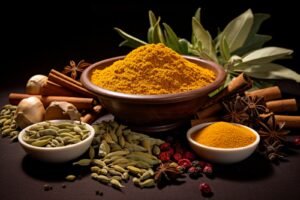
Freshly ground spices can add a strong aroma and deeper flavour to food.
Whole spices generally retain their aroma better when stored properly and ground shortly before use. Common examples include:
- Cardamom
- Black pepper
- Cumin
- Coriander seeds
- Cinnamon
- Cloves
Chefs may lightly roast whole spices before grinding them. However, spices should be roasted carefully because burning them can create a bitter taste.
Learning how to roast, grind, and combine spices is an important part of professional cooking.
Learn Professional Cooking Skills
Knowing these secret ingredients is a great starting point, but becoming a good chef requires more than knowing individual secret ingredients.
Professional cooking also involves learning knife skills, food preparation, heat control, food presentation, kitchen management, hygiene, and different cooking techniques.
Students interested in cooking classes in India, cooking classes in Belgaum, cooking classes in Haryana, or top cooking classes in Punjab can consider professional culinary education to develop practical skills.
Choosing the right cooking institutes in India can provide structured training and practical experience. From basic cooking techniques to advanced culinary methods, professional training can help students build confidence and prepare for careers in the hospitality industry.
Why NFCI Can Be a Good Choice for Professional Cooking Skills
NFCI Hospitality can be a good option for students who want to develop professional cooking skills.
Some key benefits include:
- Learning modern cooking techniques
- Developing practical cooking skills
- Industry-oriented training
- Understanding different ingredients
- Learning in professional culinary environments
Improving food preparation and presentation skills Professional training can help turn an interest in cooking into useful career skills.
Conclusion
Making restaurant-style food at home does not always require expensive secret ingredients. Sometimes, a small amount of the right ingredient and the correct cooking technique can make a big difference.
Ingredients such as Kasuri Methi, Kashmiri chilli powder, hing, jaggery, cashew paste, freshly ground spices, and even a little patience can help improve the flavour and appearance of your food.
However, mastering professional cooking requires regular practice and proper training. With the right guidance, students can develop the skills needed to pursue careers such as executive chef, head chef, sous chef, or station chef.
FAQs
1. Can beginners learn professional cooking skills?
Yes. Beginners can learn professional cooking skills with proper training and regular practice. Basic skills such as knife handling, heat control, food preparation, seasoning, and cooking techniques can be developed over time.
2. What is the most important secret ingredient in cooking?
There is no single secret ingredient. Professional chefs focus on the right combination of ingredients, cooking techniques, timing, temperature, and seasoning.
3. How can I make Indian food taste more like restaurant food?
Using secret ingredients such as Kasuri Methi, freshly ground spices, Kashmiri chilli powder, hing, and cashew paste can help. Proper heat control and cooking time are also important.
4. Is professional cooking training useful for beginners?
Yes. Professional cooking courses can help beginners learn cooking techniques in a structured way while gaining practical experience and understanding professional kitchen operations.
Tag:Best Cooking Tips, Chef Secrets, Chef Techniques, Chef Tips, Cooking Hacks, Cooking Ideas, Cooking Ingredients, cooking secrets, cooking techniques, Cooking Tips, Culinary Secrets, culinary skills, Culinary Tips, Easy Cooking Tips, Food Hacks, Food Lovers, Food Preparation, Gourmet Cooking, home cooking, Kitchen Secrets, Professional Chefs, Professional Cooking, Professional cooking techniques, Restaurant Cooking, Secret Ingredients

You may also like

THINGS TO CHECK BEFORE JOINING A HOTEL MANAGEMENT INSTITUTE

17 HEALTHY SNACKS THAT CAN HELP WITH WEIGHT LOSS