

HOW TO START A FOOD CART BUSINESS IN INDIA
Starting a food cart business can be a practical option for students and young entrepreneurs who want to enter the food industry without investing in a large restaurant. You can start a well-planned food cart with a focused menu, limited equipment, and a suitable location.
Step-by-step guide to start food cart:
1. Choose What You Want to Sell
The first step is to decide your food concept. Do not try to sell too many dishes in the beginning. Choose a small menu that you can prepare quickly and consistently.
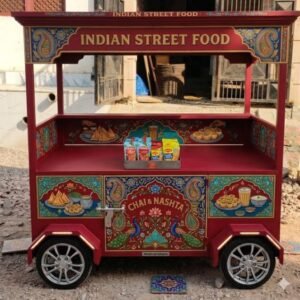
You can choose from:
- Momos
- Sandwiches
- Burgers
- Chaat
- Rolls
- South Indian snacks
- Tea and snacks
- Fresh juices
2. Research Your Local Market

Observe the area where you want to set up your cart, before spending money. Look at what people are already buying and what nearby food stalls are offering.
This step is important for aspirants because it teaches you how customer preferences affect a food business. Check:
- Customer age group
- Popular food items
- Competitor prices
- Busy hours
- Available parking or walking space
- Nearby colleges, offices or markets.
3. Prepare a Small Business Plan

You do not need a complicated business plan for a small cart. Simply calculate your expected expenses and sales.
Your initial budget may include:
- Food cart price
- Cooking equipment
- Gas or other cooking arrangements
- Raw materials
- Packaging
- Utensils
- Signboard
- Cleaning supplies
- Licences and registrations
4. Understand Licences and Food Safety
A food business must follow proper local and food-safety requirements. Depending on your location and business structure, you may need permissions or registrations from the relevant authorities.
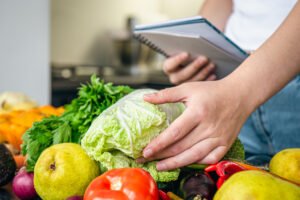
You should also learn basic food hygiene. Keep raw and cooked food properly separated, maintain clean utensils, use safe water, and store ingredients correctly.
5. Buy Right Cart and Equipment
The cart should best equip your menu. A simple fast food cart may need a different setup from a tea, juice or chaat cart. Do not choose a cart only because it looks attractive. Check its storage space, durability, working area, and cleaning convenience.
A hospitality or culinary student can make better equipment decisions by understanding basic kitchen operations and workflow.
6. Learn Costing and Pricing
Food cost is one of the most useful skills for a food entrepreneur. Calculate the preparation process of each dish, including ingredients and packaging. Set the selling price accordingly that covers your costs while remaining reasonable for your target customers.
Learning costing, portion control and inventory management through a hotel management college or culinary program can give you a useful foundation before starting your own business.
7. Taste and Consistency of food
Customers may visit because of your location, but they return when they like the food. Follow the same recipe and portion size every time. Keep your menu convenient and focus on quality rather than offering multiple items.
8. Promote Your Food Cart
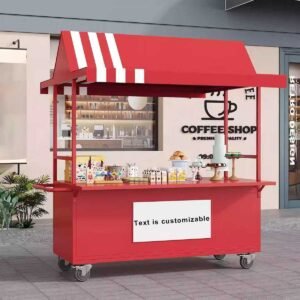
You can start with simple promotion. Create a clear name and attractive signboard for your cart. Use social media to share your menu, location and special offers. You can also encourage satisfied customers to recommend your cart to others.
Start Small and Learn
A food cart can be a useful starting point for hospitality aspirants who want practical business experience. However, success depends on more than cooking. You also need skills in costing, customer service, hygiene, purchasing and daily business management.
If you are planning to build a career in this field, learning from a best cooking institute or top hotel management institute can help you develop these skills systematically. NFCI offers hospitality and culinary-focused education for students who want to understand the practical side of the food industry.
With a focused menu, right skills, and careful planning, you can build a bigger food business through a small cart.

You may also like

THINGS TO CHECK BEFORE JOINING A HOTEL MANAGEMENT INSTITUTE

17 HEALTHY SNACKS THAT CAN HELP WITH WEIGHT LOSS