

How to Plan Your Food Menu for Better Sales and Lower Costs?
Planning a good food menu is one of the most important parts of running a successful food business. Whether you are planning to open a restaurant, café, bakery, cloud kitchen, or any other food outlet, your menu can directly affect your sales, customer experience, and overall food cost. A well-planned restaurant menu helps customers choose easily while helping the business control ingredients, reduce waste, and earn better profits.
How to plan your food menu:
1. Know Your Customers First
Before creating your food menu, understand your target customers. Think about their age, budget, preferences, and eating habits.
For example, a café near a college may need affordable snacks and quick meals. A family restaurant may require a wider variety of dishes.

Ask yourself:
- Who will visit my restaurant?
- What type of food do they prefer?
- What price range suits them?
- What dishes are popular in the local area?
2. Keep Your Menu Simple and Balanced
A food menu with hundreds of options may seem impressive, but it can create problems.
Too many dishes can mean:
- More ingredients to purchase
- More storage space
- Higher chances of food waste
- Longer preparation times
- Difficult inventory management
Instead, focus on a practical restaurant menu list.
3. Understand Food Cost
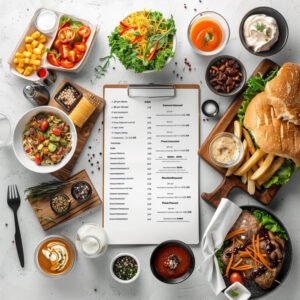
One of the most important skills in a food business is understanding food cost. Before adding a dish to your restaurant menu card, calculate how much it costs to prepare.
Consider:
- Ingredient costs
- Portion size
- Garnishing
- Packaging
- Preparation requirements
Once you know the actual cost, you can set a suitable selling price.
4. Use Ingredients Smartly
Smart ingredient planning can help reduce waste and expenses. For example, if one ingredient can be used in several dishes, you may not need to purchase many different products.
This can make inventory management easier. It can also help reduce the amount of unused food sitting in the kitchen.
5. Highlight Popular Dishes
Every restaurant has certain dishes that customers order again and again.
Keep track of your sales and identify these popular items.

You can highlight them on your menu as:
- Chef’s Special
- Customer Favourite
- Signature Dish
- Recommended
- House Special
This makes it easier for customers who are unsure about what to order.
6. Design an Easy-to-Read Menu Card
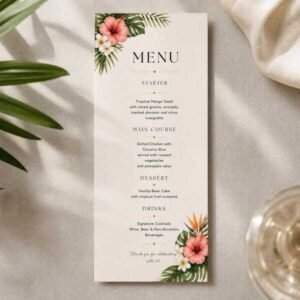
Your restaurant menu card should be simple, clean, and easy to understand.
Divide your menu into clear sections such as:
- Starters
- Main Course
- Rice & Breads
- Snacks
- Desserts
- Beverages
Use short descriptions and avoid overcrowding the page. A customer should be able to look at your menu and quickly understand what you offer.
7. Add Smart Menu Ideas
Small changes to your menu can create more opportunities for sales.
You can consider:
- Meal combinations
- Family meals
- Add-on options
- Beverage combinations
- Dessert suggestions
- Seasonal specials
For example, offering a main dish with a beverage or side can give customers a convenient combination while increasing the value of an order.
Menu Planning: A Useful Skill for Aspiring Chefs
If you are planning a career in the culinary or hospitality industry, learning to cook is only the beginning.
Professional chefs also need to understand:
- Food costing
- Menu planning
- Kitchen management
- Portion control
- Food safety
- Presentation
- Inventory management
Students searching for a cookery institute, best cookery courses in India, or cookery courses in India should look for programs that provide practical exposure to these areas.
Build Practical Skills with NFCI
Choosing the right institute can make your learning journey more practical and industry-focused. At NFCI, aspiring students can explore opportunities in culinary and hospitality education while developing practical skills for the professional food industry.
If you are searching for a best culinary institute, top HM courses in India, best cookery institute, top cookery institute in India, top cooking classes, or top culinary courses, focus on practical training and the skills you will use in your future career.
Conclusion
Planning a successful food menu is about finding the right balance between customer demand, quality, variety, and cost. A simple and well-planned menu can make kitchen operations easier, reduce waste, and create a better experience for customers.
Tag:food business management, food business tips, food cost control, food menu costing, food menu planning, Hospitality Management, increase restaurant sales, menu engineering, menu planning tips, menu pricing strategy, profitable food menu, reduce food costs, restaurant management, restaurant menu planning, restaurant profitability

You may also like

THINGS TO CHECK BEFORE JOINING A HOTEL MANAGEMENT INSTITUTE

17 HEALTHY SNACKS THAT CAN HELP WITH WEIGHT LOSS